
Spray Foam Roofing for Irregular Roofs and Drainage Problems
Spray polyurethane foam, or SPF, is a system we bring up on a narrower set of buildings than TPO or EPDM, but it solves a specific problem better than any membrane system does on its own: it can add slope and insulation in one application, which matters on flat roofs where drainage has always been marginal. Older commercial buildings around the Grand Strand with dead-flat roof decks and standing water issues are the buildings where this comes up most.
How SPF Works as a Roof System
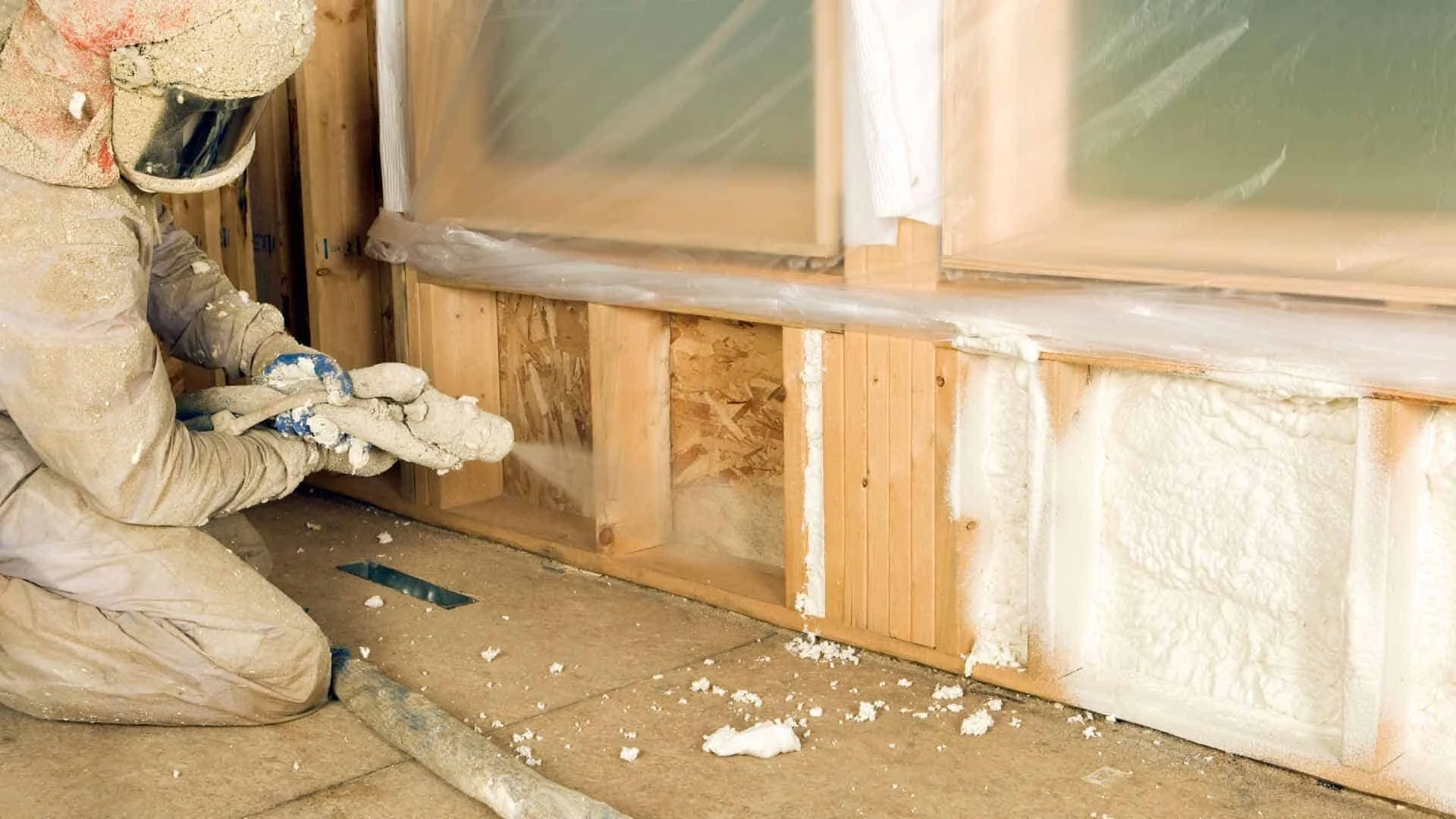
Spray foam is applied as a liquid that expands and cures into a rigid, closed-cell foam layer directly over the existing roof deck or membrane, then covered with a protective elastomeric coating - usually silicone or acrylic - that provides the UV and weathering resistance the foam itself doesn't have on its own. Because the foam is spray-applied, crews can build up thickness selectively to create positive slope toward drains on a roof that was installed dead flat, correcting a drainage problem that a standard membrane recover can't fix without tapered insulation work.
The foam also provides continuous insulation with no thermal breaks the way batt or board insulation seams do, which gives SPF roofs strong energy performance on buildings where that matters.
Where This Fits Around the Grand Strand
We look at SPF on older commercial buildings with genuine ponding water problems, irregular roof geometry with a lot of odd angles and equipment curbs where a tapered insulation package would be complicated and expensive, and buildings where correcting slope during a standard membrane reroof isn't in the budget but the ponding is causing real problems - premature membrane aging, algae growth, added structural load from standing water. It's less common on straightforward big-box retail or hotel roofs with decent drainage already, where TPO or PVC does the job without the added labor of a spray-applied system.
Coating Selection for Coastal UV and Salt Exposure
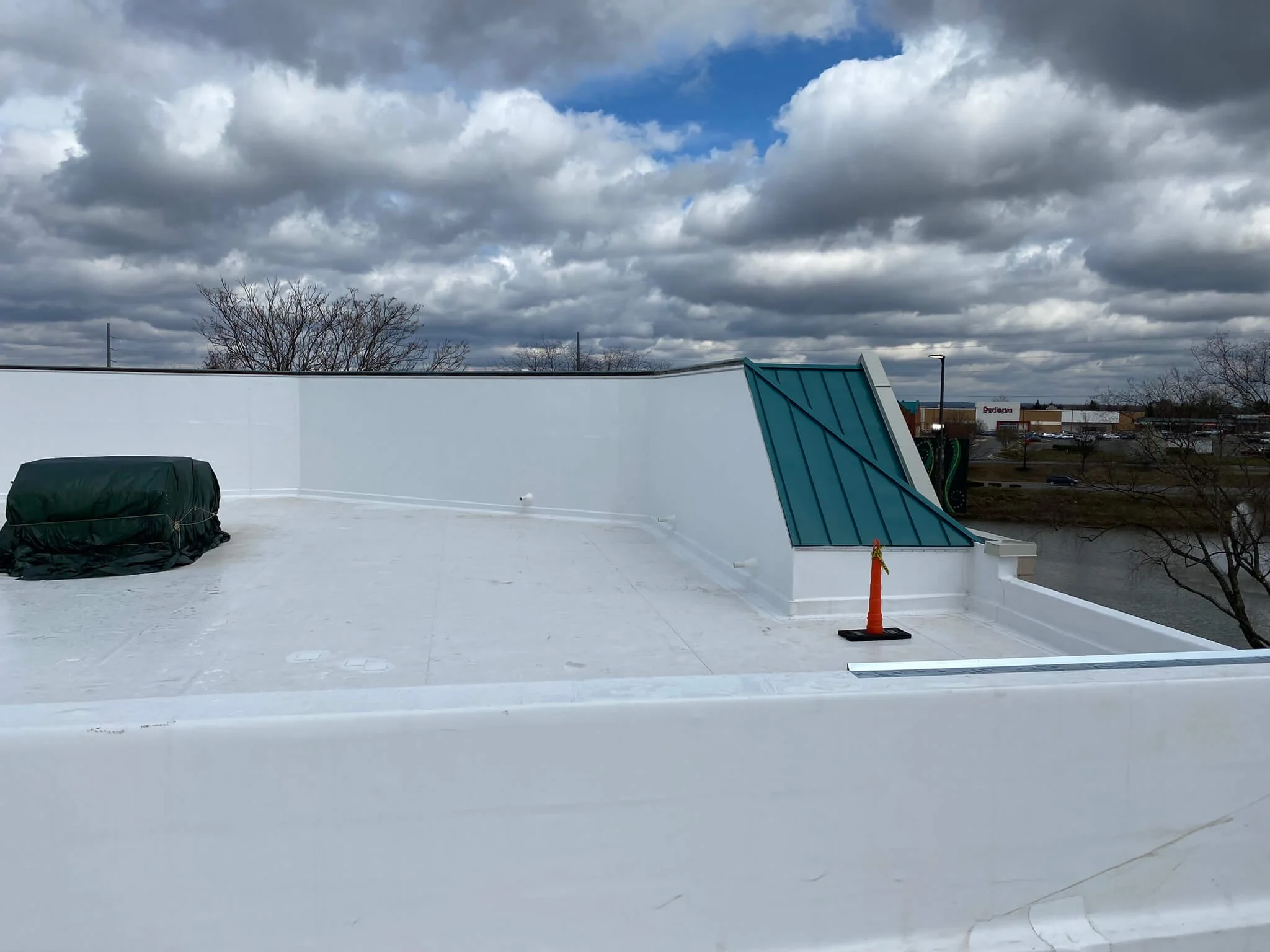
The protective coating over SPF is what stands up to weather, and in a coastal market like this one, that coating choice matters. Silicone coating handles UV exposure and any ponding tendency on the foam surface better than acrylic, which is why we default to silicone topcoats on SPF roofs here rather than acrylic, particularly on roofs with any residual low spots even after the foam has corrected the bulk of the slope problem.
Salt-laden air affects the coating the same way it affects coatings on other roof types - surface soiling and gradual reflectivity loss that periodic cleaning and eventual recoating address. The foam itself, once properly coated and maintained, isn't directly exposed to that salt air, which is part of why coating maintenance on an SPF roof isn't optional the way it might be treated on a membrane system with its own inherent weathering resistance.
- Adds slope and insulation in one application, correcting dead-flat drainage
- Continuous insulation with no thermal breaks improves energy performance
- Fits irregular roof geometry and complex equipment curb layouts well
- Requires a protective topcoat, usually silicone, for UV and weather resistance
- Coating maintenance and recoating cycle is not optional on SPF systems
- Best suited to older buildings with genuine drainage or geometry problems
Maintenance Requirements Are Different Here
An SPF roof needs more consistent coating maintenance than a standard single-ply membrane, because the coating is the roof's only weathering defense. We schedule more frequent visual inspections on SPF roofs specifically to catch coating wear, foam exposure at high-traffic areas, or any spot where mechanical damage has broken through the topcoat, since exposed foam degrades quickly once it loses its protective layer.
Frequently Asked Questions on Spray Foam Roofing
Is spray foam roofing a good fit for a hotel roof?
It can be, particularly on an older hotel with drainage problems or irregular geometry from additions over the years. For a straightforward hotel roof with decent drainage already, TPO or PVC is usually the simpler and more common choice.
How long does the protective coating on SPF last before recoating?
It varies with coating type, thickness, and coastal exposure, but we check coating condition at every maintenance visit and recommend recoating before the foam is at risk of exposure.
Can SPF be applied over an existing roof without tear-off?
Often yes, assuming the existing roof and deck are dry and structurally sound, which is why a moisture survey is a required first step before any SPF proposal.
Does spray foam roofing perform well in hurricane-force wind?
Properly applied and coated SPF adheres directly and continuously to the substrate with no mechanical fasteners to work loose, which is a genuine advantage in high wind, though coating integrity after a storm still needs inspection.
Why isn't SPF used on more roofs in this market?
It solves a specific problem - drainage correction and irregular geometry - better than membrane systems do, but for roofs without that problem, standard single-ply membranes are simpler to install and maintain at comparable or lower cost.
Working Around Dense Rooftop Equipment
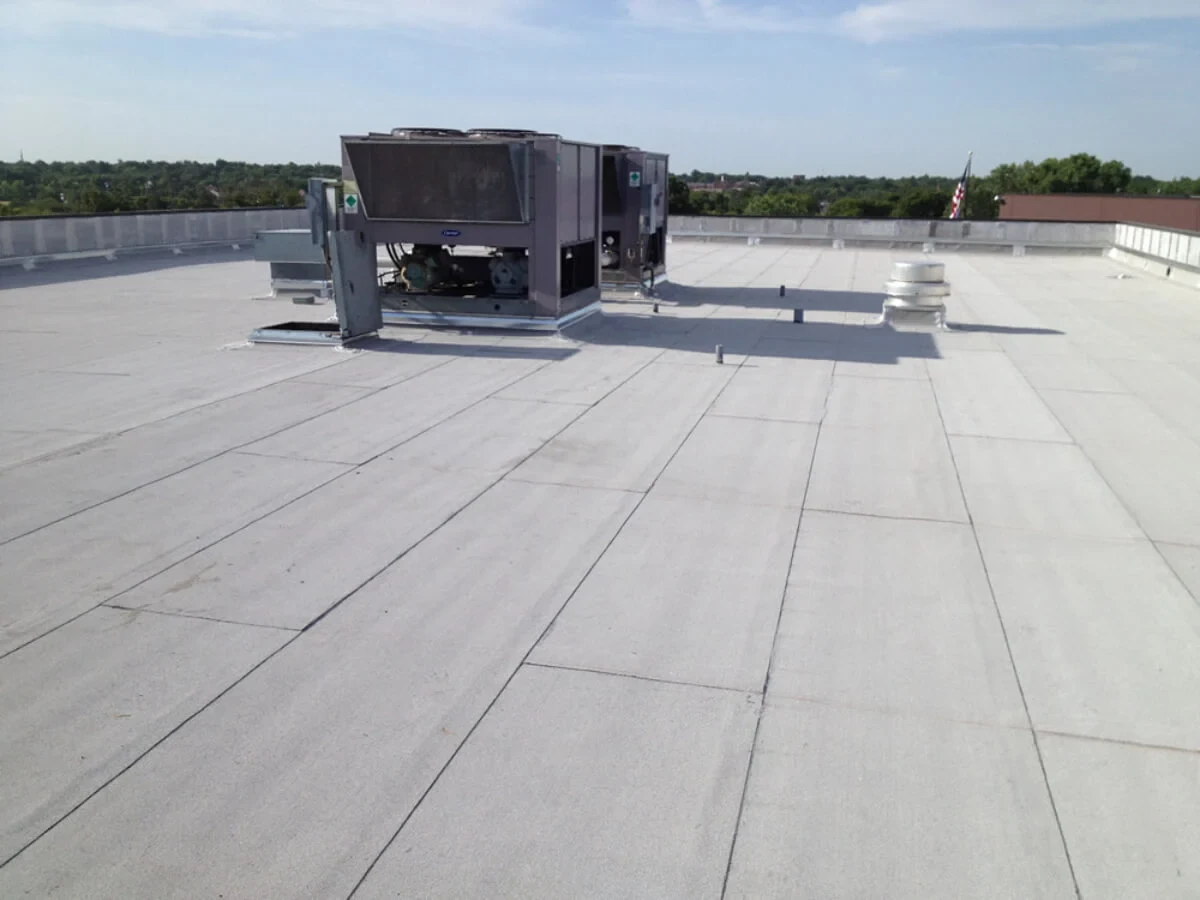
SPF's spray application flows around and up to curbs and equipment bases in a way that's harder to achieve with a cut-to-fit membrane sheet, which is a real advantage on roofs with a dense layout of HVAC units, dishes, and other rooftop equipment. On buildings where a membrane installer would spend most of the job custom-cutting and flashing around obstacles, spray foam crews build the transitions and slope directly into the application, reducing the number of separate flashing details that could later become leak points.