
EPDM Membrane for Reroofing Jobs on a Tighter Budget
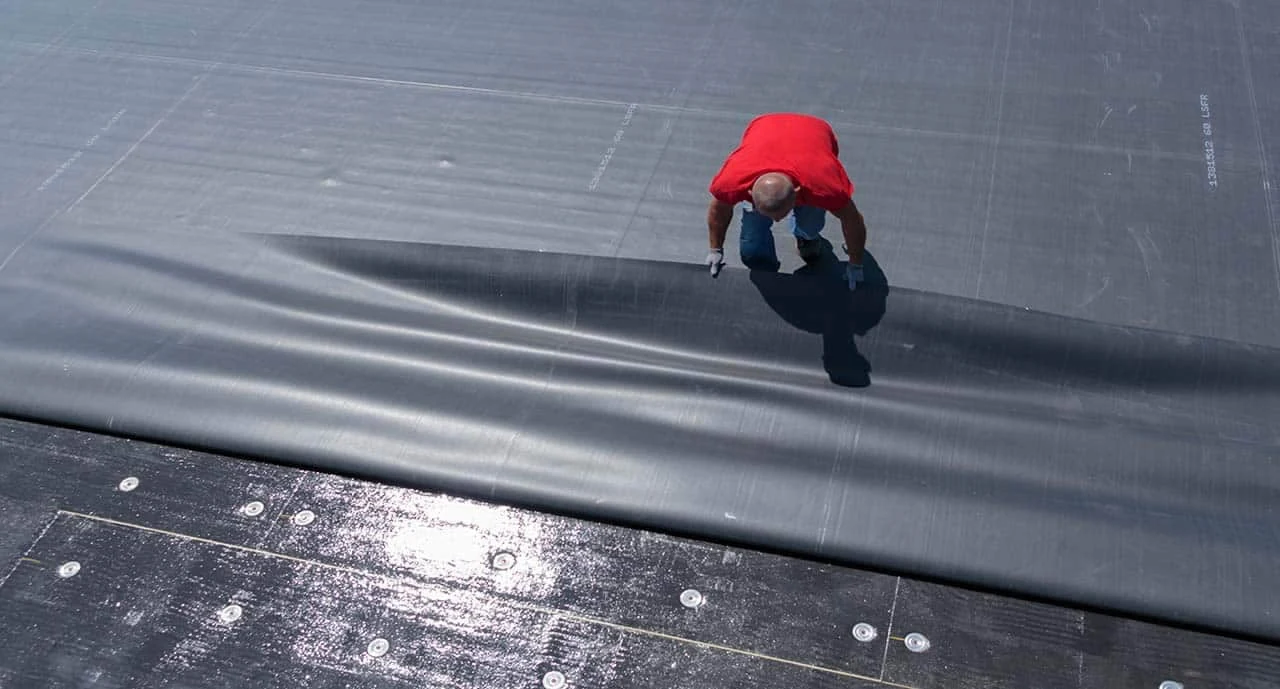
EPDM rubber membrane still shows up on a lot of the reroofing bids we write, mostly on older strip retail along Highway 17 Business and light-industrial buildings around Conway. It's a proven system when the seams and attachment are done right.
Where EPDM Still Makes Sense Near the Beach
Black EPDM tends to win the bid on buildings where reflectivity isn't the deciding factor -- warehouses, self-storage, and back-of-house buildings that aren't carrying the same rooftop cooling load as an occupied hotel. Material cost per square is usually lower than TPO or PVC, which matters on a large low-slope roof where every dollar per square adds up fast.
It's also a familiar system for a lot of the older buildings along the Strand that were originally built with EPDM or a similar rubber membrane, so recover and reroofing decisions sometimes lean back toward what the roof already knows how to do structurally.
Black Membrane and Coastal Heat: What It Means for the Building Below
A black roof absorbs more solar heat than a white one, full stop. On a conditioned retail space that translates into a heavier air conditioning load through a Myrtle Beach summer. We're upfront about that tradeoff with ownership groups -- EPDM's lower material cost has to be weighed against higher cooling costs over the life of the roof, especially on buildings with a lot of occupied square footage under the deck.
On unconditioned or lightly conditioned buildings -- storage, some flex and industrial space -- that heat gain matters a lot less, and EPDM's cost advantage tends to win out cleanly.
Seam Work Is Where EPDM Roofs Succeed or Fail
Unlike TPO or PVC, EPDM seams are adhered with tape or liquid adhesive rather than heat-welded into one piece. That makes seam prep -- clean, dry substrate and correct roller pressure -- the single biggest factor in how long a seam holds up. Humidity on an install day here can work against adhesive cure time if the crew doesn't account for it.
We inspect seams closely on every EPDM roof we take over maintenance on, because a lifting seam is usually the first sign of trouble long before a leak shows up inside the building.
- Fully adhered EPDM over rigid insulation
- Mechanically attached EPDM for larger roof areas
- Ballasted EPDM on structurally rated decks
- Light-industrial and flex buildings
- Self-storage facility roofs
- Back-of-house additions on retail centers
Recover Candidates We See Most Often
Older strip centers along Highway 17 Business and around Socastee are frequent recover candidates -- original EPDM that's aged past its seam life but still has sound insulation underneath. In those cases a recover with new membrane over existing, code-compliant insulation is often the lower-cost path compared to a full tear-off.
Light-industrial buildings in the Conway industrial park tend to be simpler recover jobs -- large open rooftops with fewer penetrations and less rooftop equipment to work around than a retail center.
We still pull core samples before committing to a recover on any EPDM roof. Wet insulation under an EPDM membrane isn't always obvious from the surface, and building over trapped moisture just buries a problem instead of solving it.
Maintenance Rhythm for an EPDM Roof on the Strand
We walk EPDM roofs on a schedule that checks seam adhesion, flashing at curbs and penetrations, and any signs of membrane shrinkage pulling seams tight. Shrinkage shows up more on older EPDM installs and is worth catching early, since a seam under tension fails faster than one sitting relaxed.
Ballast, where it's used, needs a check too. Wind can shift stone ballast during a tropical storm, and exposed membrane where ballast has moved ages faster and shows heat and UV damage sooner than membrane that stayed covered.
Comparing EPDM Against the Alternatives We Also Spec
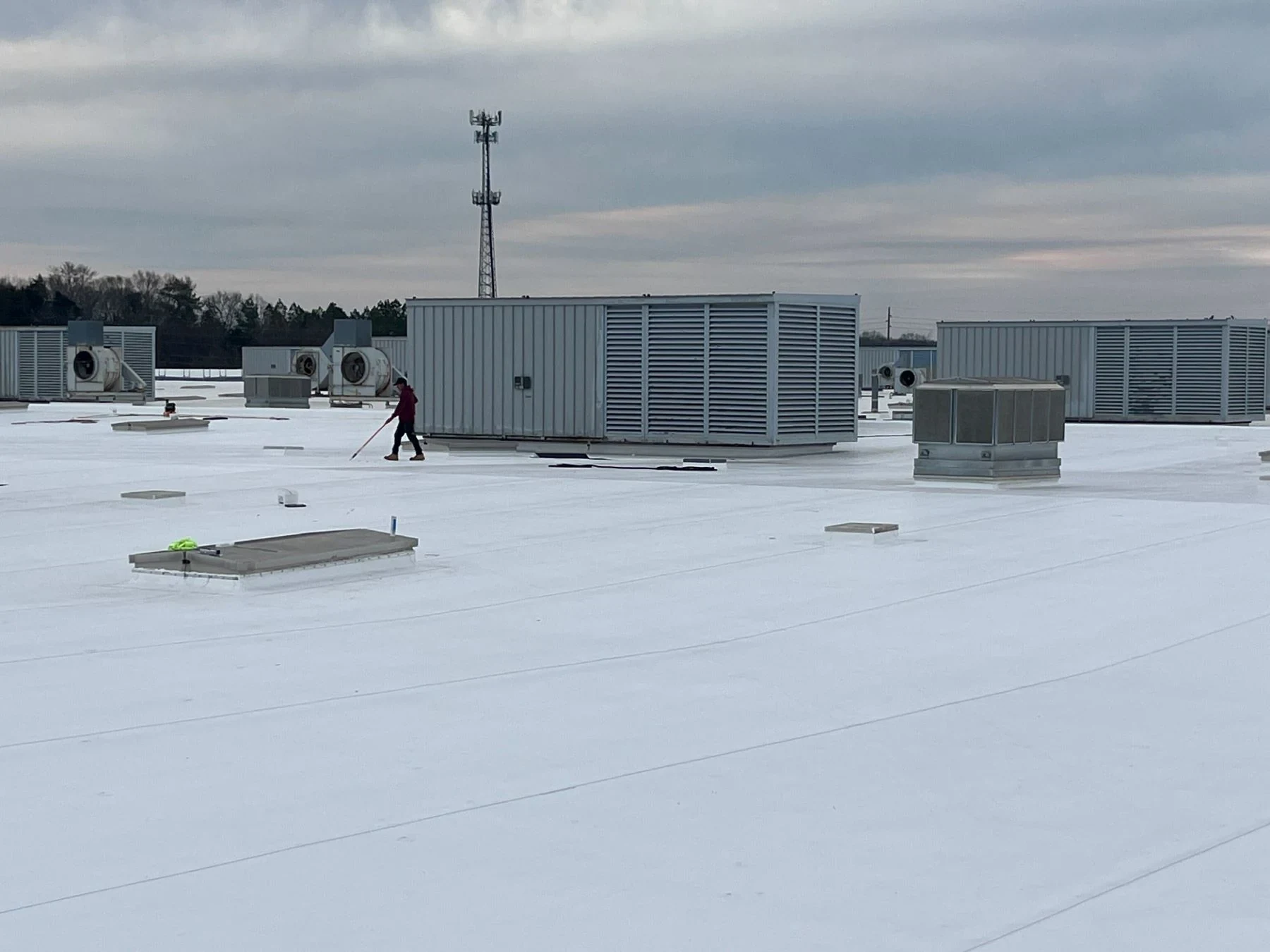
We don't default to EPDM just because it's familiar. On an occupied hotel or resort roof we're almost always going to recommend a reflective membrane instead, because the cooling-load math usually outweighs the material savings. On a storage building, flex space, or light-industrial roof with minimal conditioning, EPDM often remains the more sensible number.
The honest answer for most owners is that the right membrane depends on how the space below the roof is used, not on which system happens to be cheapest per square on paper.
Common EPDM Questions From the Field
Is EPDM a good fit for an occupied hotel roof?
Usually not our first recommendation. The lower reflectivity means higher cooling loads on a heavily conditioned building, so we typically steer hotel and resort roofs toward TPO or PVC instead.
How long do EPDM seams actually last?
Well-installed seams with proper prep can last the life of the membrane. Poor prep or install-day humidity is the most common reason we see early seam failure.
Can EPDM handle Myrtle Beach's wind uplift requirements?
Yes, with the right attachment method -- mechanically attached or ballasted systems can meet coastal wind ratings when sized correctly for the building's height and exposure.
Is EPDM cheaper than TPO over the life of the roof?
Material cost is usually lower upfront. Whether it stays cheaper depends on the building's cooling load and how well the seams are maintained over time.
Do you recommend EPDM for new construction here?
On unconditioned or lightly conditioned buildings, often yes. On heavily conditioned, occupied space, we usually steer owners toward a reflective membrane instead.