Commercial Roofing for Myrtle Beach Hotels and Resorts
Hospitality groups running properties along Ocean Boulevard, in Market Common, or out toward Barefoot Landing don't get the luxury of an empty building. Guests are checking in every day of the year, and a roof crew has to work around that reality, not the other way around. We build our hospitality work around occupancy, not the calendar we'd prefer.
Oceanfront Towers Carry a Different Roof Load
A ten-story oceanfront hotel roof is a different animal than a strip mall roof, even though both are technically low-slope membrane. It's carrying rooftop mechanical penthouses, pool equipment rooms, elevator overruns, and often a helipad or event deck. Every one of those penetrations is a place where a low-slope membrane can fail first, and on a building full of paying guests, a leak into a top-floor suite is a different kind of problem than a leak into an empty warehouse.
We treat those penetrations as the priority list, not an afterthought. Flashing detail at mechanical curbs and parapet walls gets more attention than field membrane on a hospitality roof, because that's where salt-laden wind actually finds the gap.
Wind uplift also behaves differently at height along the oceanfront than it does a mile or two inland. A tower catching direct onshore wind off the Atlantic sees higher sustained uplift pressure at the roof edge than a similar building set back behind other construction, which is part of why parapet and coping detail on these towers gets more scrutiny from us than the field membrane itself.
Working Around a Guest Calendar, Not a Contractor's Calendar
Bike Week, Memorial Day weekend, the Fourth of July, and the fall golf season all bring occupancy spikes that a general manager isn't going to move for a roofing crew. We build phased schedules that keep noisy work like tear-off away from those windows and shift it into the slower stretches in late winter or midweek in the shoulder season.
That means staging materials so a crane or hoist isn't blocking a porte-cochere during check-in rush, and it means closing off work areas so guests never walk under an open roof section. A property manager shouldn't have to explain to a guest why there's tar smell in the lobby.
Pool Decks, Cabanas, and Amenity Roofs
Grand Strand resorts lean hard on their pool decks and cabana structures to sell rooms, and those low-slope roofs over amenity buildings take direct salt spray and near-constant UV exposure. A coating or membrane that would hold up fine on a back-of-house building can chalk and crack fast over a lazy river bar or a rooftop pool deck.
We spec membrane and coating systems for that exposure specifically, not for a generic commercial building. The amenity roof is often the most visible roof on the property, and it's usually the one taking the worst weather.
Rooftop bar and event-deck structures add another wrinkle: string lighting mounts, string trellis anchors, and portable bar equipment all mean extra foot traffic and extra hardware fastened straight into the membrane. We map those attachment points during inspection so a maintenance team isn't discovering a new unauthorized penetration after the fact.
Storm Season Readiness for Occupied Buildings
- Pre-season inspection of parapet caps, coping, and drain lines before the first named storm of the year
- Documentation of existing roof condition so post-storm damage is easy to isolate
- Emergency tarp and dry-in response scoped for a building that stays occupied through the storm
- Scupper and internal drain clearing ahead of heavy rain events, not after
- Coordination with property engineering staff on rooftop equipment shutdowns during work
- Phased reroofing plans that keep at least partial occupancy live during multi-week projects
Multi-Property Portfolios Along the Grand Strand
Groups running more than one hotel or resort between North Myrtle Beach and Garden City want one roofing partner tracking condition across the whole portfolio, not a different contractor for every property. We keep a running record per building so a regional manager can see which roofs need budget attention this year and which can wait.
That kind of tracking matters more here than in most markets because every one of those roofs is aging under the same salt air and hurricane exposure at roughly the same rate.
Questions Hospitality Groups Ask Us
Can you work while the building stays fully occupied?
Yes, on most reroofing and repair jobs. We plan noisy work, material staging, and access points around your front desk's occupancy forecast, and we'll walk the schedule with your GM before anything starts.
How do you handle a leak that shows up in a guest room during peak season?
We prioritize emergency calls at occupied hospitality properties and can typically get a tech on the roof to locate and temporarily seal the source the same day, then schedule the permanent repair around your booking calendar.
Do you coordinate directly with our engineering or facilities staff?
We do. Most hospitality properties have an on-site engineer who knows the building's mechanical layout better than anyone, and we loop them in on access, shutdowns, and roof-top equipment before crews mobilize.
What roof systems hold up best on oceanfront buildings here?
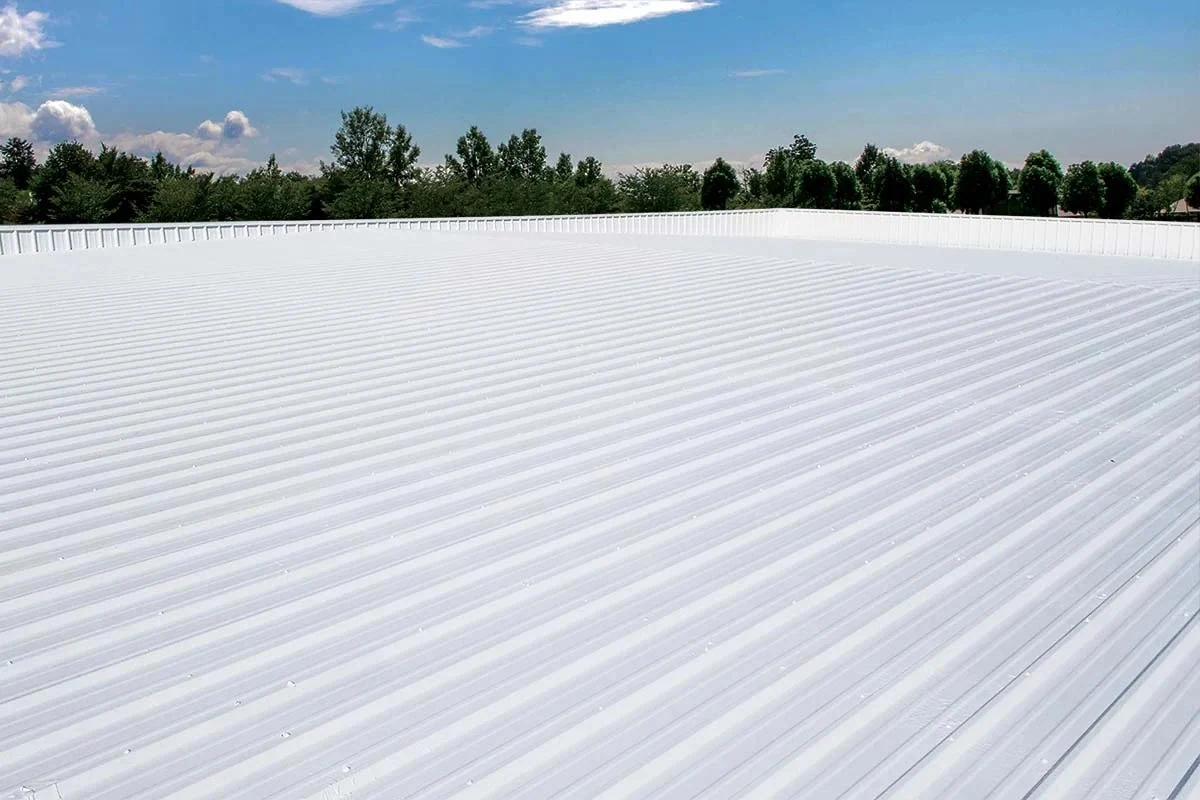
TPO and PVC single-ply membranes are common choices for salt air resistance, paired with fastener and flashing hardware rated for coastal exposure. The right system depends on your building's age, deck type, and how the roof is currently detailed at the parapets.
Can you inspect our whole portfolio and give us a condition ranking?
Yes. We can walk multiple properties and return a straightforward condition summary for each roof so ownership can prioritize capital spending across the portfolio instead of reacting property by property.