
Silicone Coatings for Ponding and UV on Coastal Flat Roofs
Silicone coating is the option we bring up most often when a client's roof is sound structurally but showing UV wear, minor ponding issues, or an aging surface that doesn't yet need a full tear-off. It's a restoration approach rather than a new roof system, and on the right building it buys years of additional service life for a fraction of a full reroof.
What Silicone Coating Does and Doesn't Fix
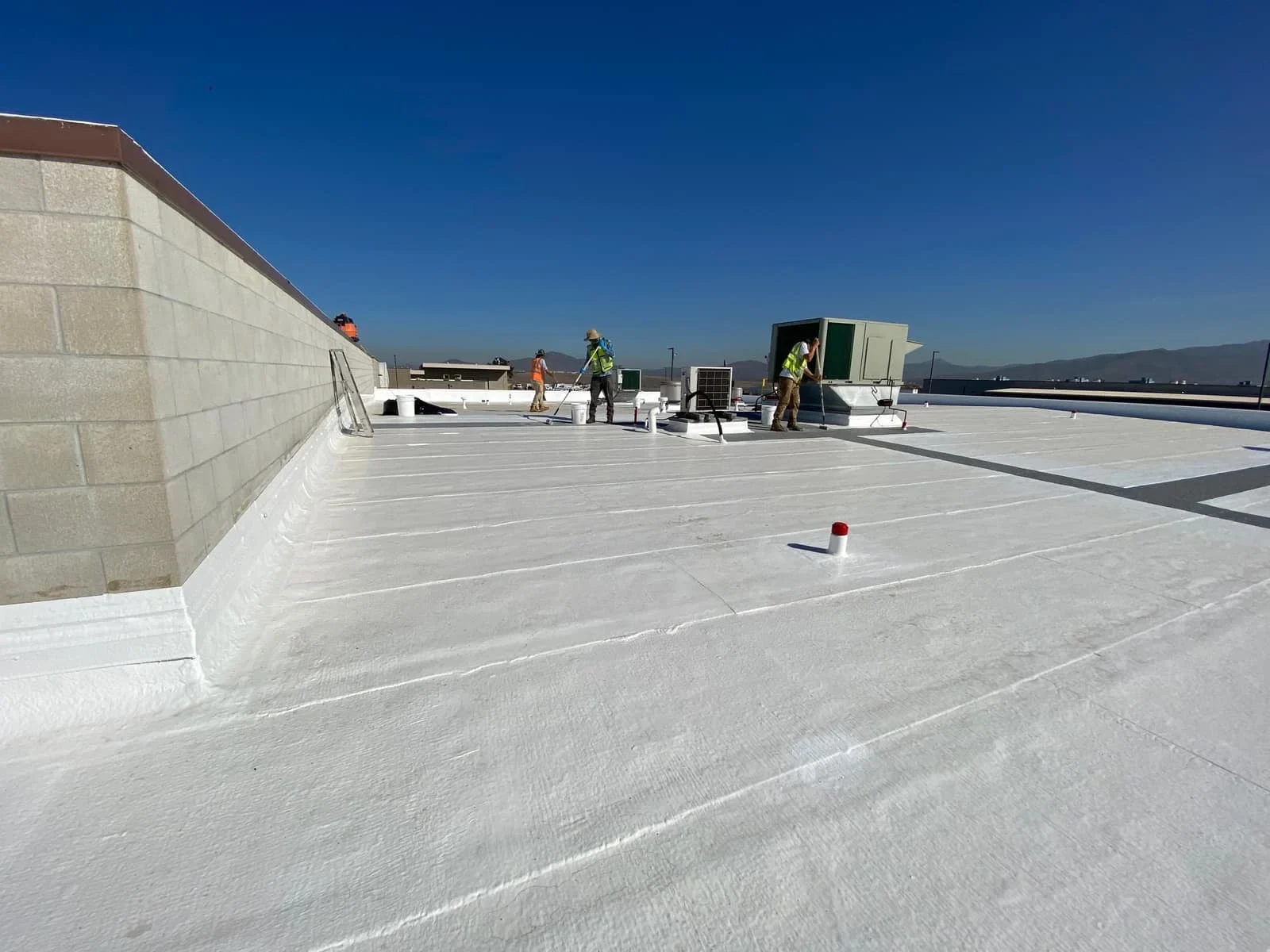
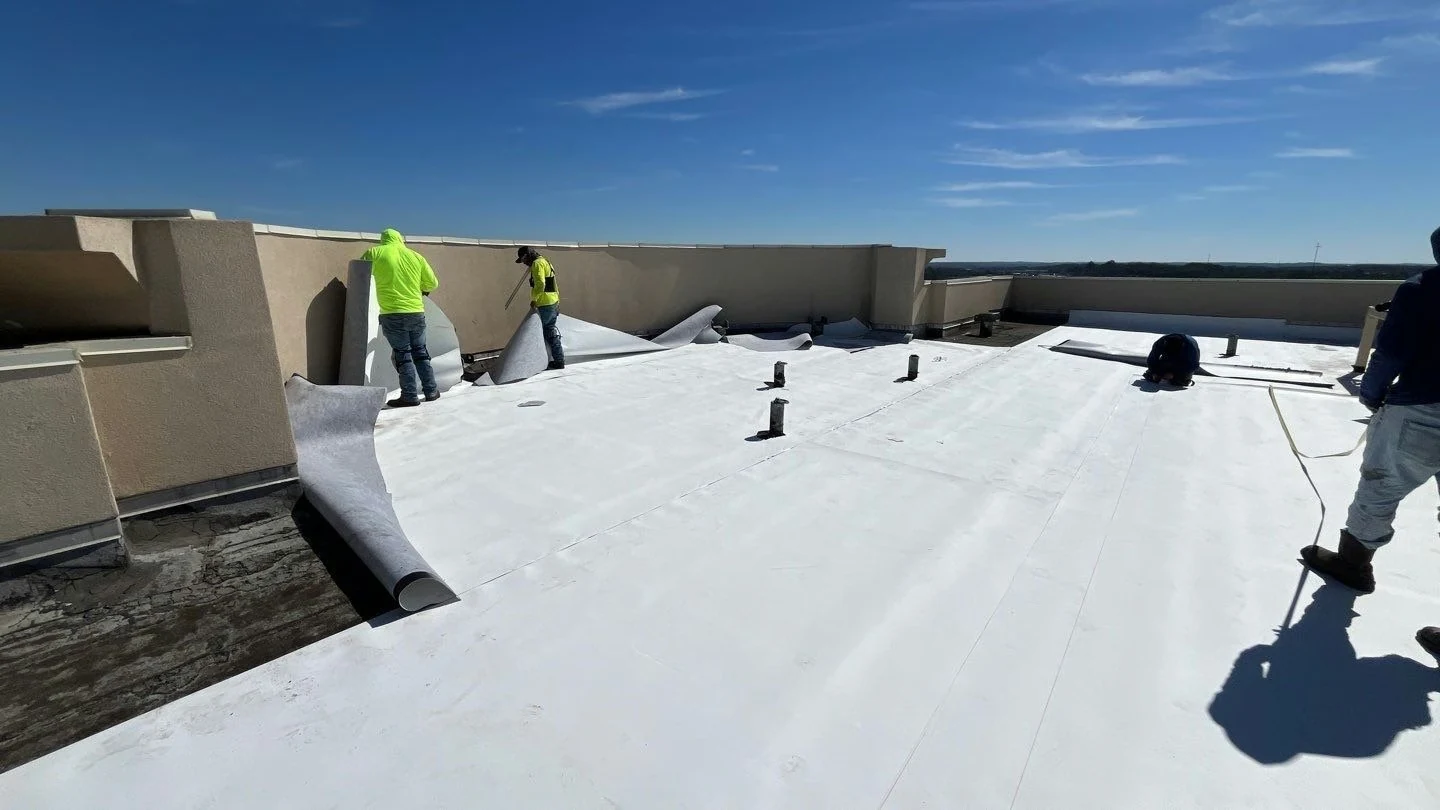
Silicone coating goes over an existing membrane - TPO, EPDM, modified bitumen, or built-up roofing - as a liquid-applied, fully adhered protective layer that cures into a continuous, flexible surface with no joints. It restores UV protection, improves reflectivity, and seals minor cracks and seam issues across the roof surface. What it doesn't do is fix a structurally compromised deck, saturated insulation, or active leaks from a source the coating can't seal, which is why every coating job starts with a moisture survey rather than a visual inspection alone.
We won't coat a roof with wet insulation underneath. Trapping moisture under a new coating just delays a bigger repair and makes the eventual tear-off more expensive when it comes.
Ponding Water Resistance
Silicone's biggest advantage over acrylic coating is ponding water tolerance. A lot of flat commercial roofs around the Grand Strand hold standing water in low spots after heavy rain, especially on older buildings where the roof deck has settled slightly over the years or the drainage slope was marginal to begin with. Acrylic coatings can degrade under sustained ponding; silicone holds up to standing water far better, which makes it the right call on roofs where drainage isn't perfect and reworking the slope isn't in the budget.
UV Resistance in Year-Round Beach Sun
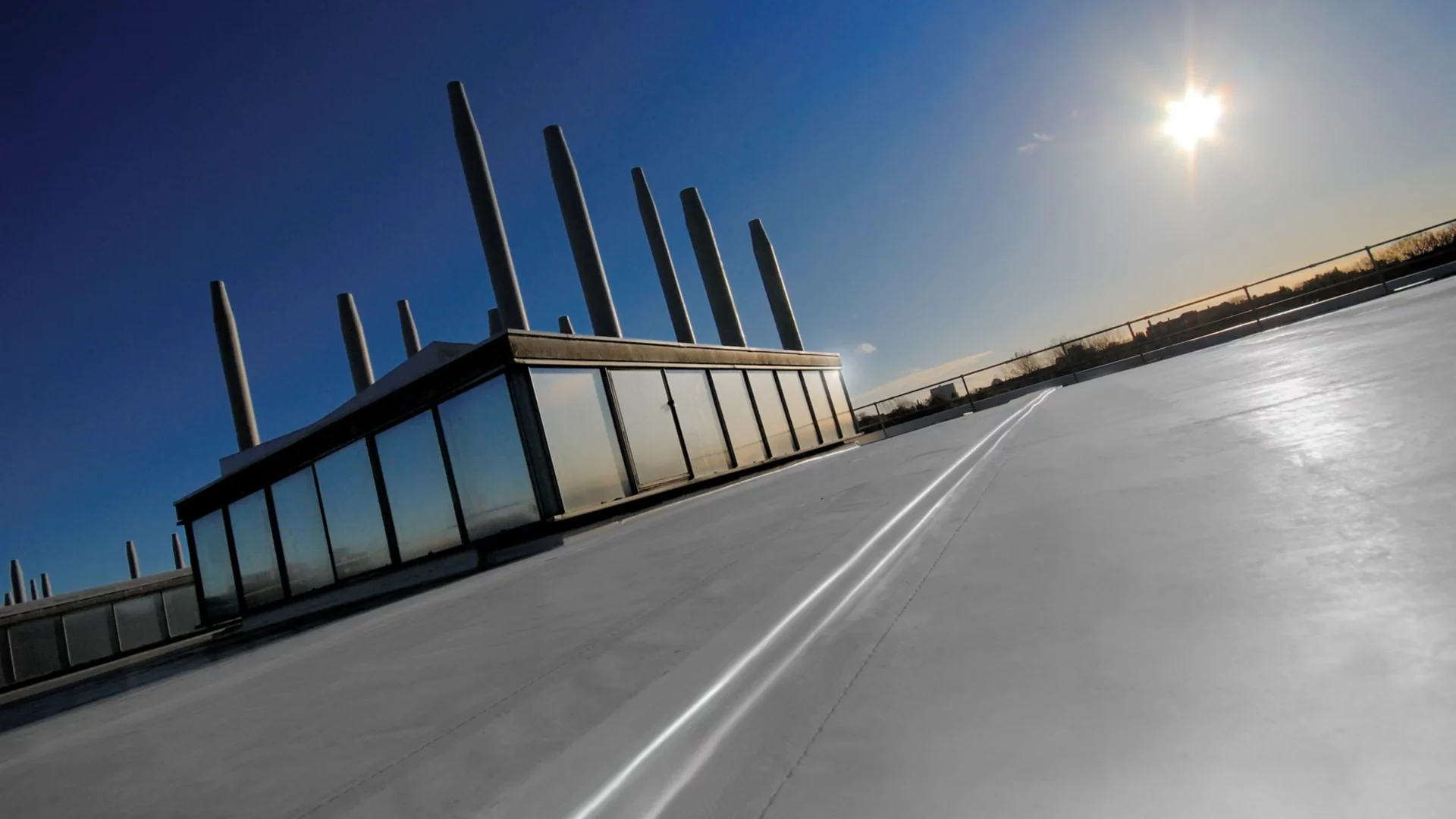
The Grand Strand gets strong, consistent UV exposure across most of the year, and that exposure is what breaks down an aging membrane's surface over time - chalking, granule loss, brittleness. Silicone coating resists UV degradation extremely well on its own, which is a large part of why it's the coating we default to for roofs facing sustained sun exposure rather than acrylic, which handles UV less consistently over the same service period.
Coastal Salt Air and Coating Adhesion
Coating adhesion depends heavily on surface preparation, and that matters more near the coast where salt residue, humidity, and airborne contaminants build up on a roof surface faster than they would inland. We pressure-wash and, where needed, prime the existing membrane before coating application to make sure the silicone bonds properly rather than sitting on a layer of salt film and grime that compromises adhesion from day one.
- Restores UV protection and reflectivity on an aging but sound membrane
- Superior ponding water resistance compared to acrylic coating
- Continuous, fully adhered liquid application over existing roof systems
- Requires a moisture survey before application, beyond a surface-level check
- Surface prep and pressure washing critical for adhesion in salt air
- Extends service life at a fraction of full tear-off and reroof cost
When Coating Isn't the Right Call
If a moisture survey turns up saturated insulation, if the deck shows structural issues, or if the existing membrane has widespread seam or flashing failures beyond what a coating can seal, we recommend tear-off and reroof instead of masking a bigger problem under a coating. Silicone coating is a strong option for the right roof and the wrong call entirely for a roof that's already past the point where surface restoration solves the actual problem.
Coating Roofs Over Occupied Hotels and Retail Space
A lot of the flat roofs where coating makes sense sit over occupied hotels and retail buildings, which changes how we schedule and stage the work compared to a vacant building. Coating application has cure-time requirements and needs dry weather during application and initial cure, so we coordinate closely with property management on timing, particularly during peak tourist season when a hotel's occupancy and event calendar leave less room for rooftop work to disrupt operations below.
Odor and overspray control also matter more on occupied buildings, and we mask rooftop equipment, HVAC intakes, and adjacent surfaces before application starts so tenants and guests aren't dealing with coating fumes drifting into fresh air intakes during the work.
Questions About Silicone Roof Coating
How long does a silicone-coated roof last before recoating?
Service life depends on the existing roof's condition and coating thickness applied, but a properly applied silicone coating on a sound substrate extends service life significantly before another coating cycle is needed.
Can silicone coating go over any roof membrane?
Most existing membranes can be coated if they pass a moisture survey and the surface is properly prepared, though compatibility and primer requirements vary by the existing membrane type.
Does silicone coating stop active leaks?
It can seal minor surface cracks and seam gaps, but it isn't a fix for an active leak from a compromised flashing or deck issue. Those need to be repaired before coating, not sealed underneath it.
Why choose silicone over acrylic coating here?
Silicone handles ponding water and sustained UV exposure better than acrylic, both of which are common conditions on Grand Strand flat roofs. Acrylic remains a lower-cost option for roofs without ponding issues.
Does a coated roof still need regular maintenance?
Yes, a coating extends the roof's service life but doesn't eliminate the need for periodic inspection, debris removal, and seam or flashing checks the same as any other roof system.