
Reroofing Oceanfront Hotels and Resort Towers Without Empty Room Nights
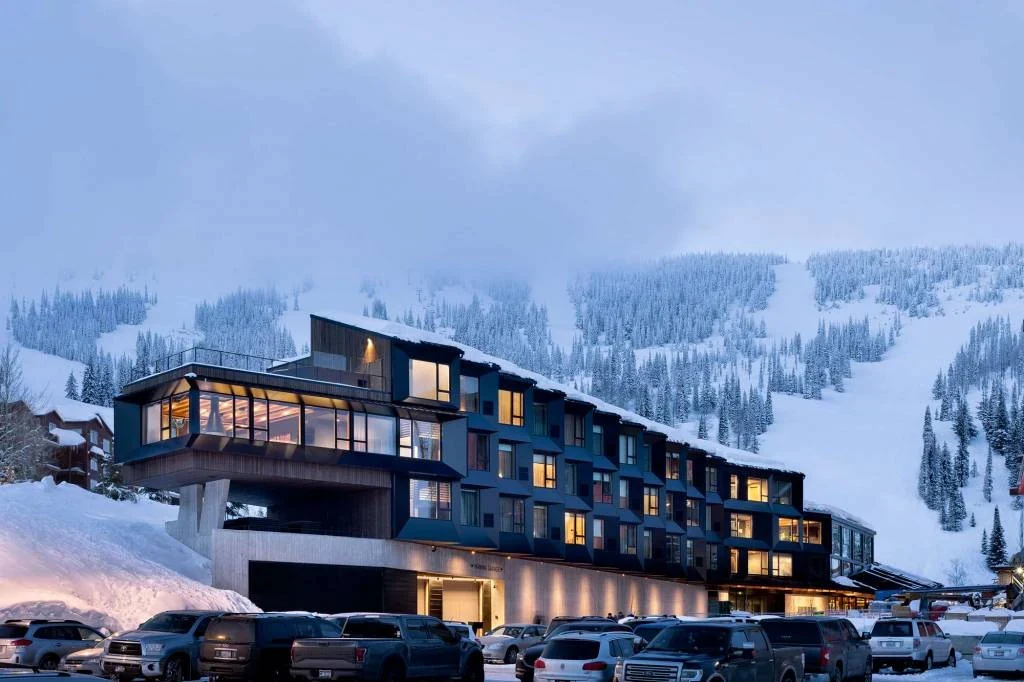
Grand Strand hotels and resort condos carry some of the highest-value low-slope roofs in Horry County, and nearly every one of them sits inside a high wind-loading zone with saltwater a few hundred yards away. We reroof, recover, and maintain hospitality properties from North Myrtle Beach through the Market Common corridor with a schedule that follows your booking calendar as closely as it follows the membrane spec sheet.
Wind-Uplift Design for High-Rise Towers
A ten- to twenty-story oceanfront tower sees uplift pressures at its parapets and corners that a strip-center flat roof never will. We run the wind-load calculations for the specific exposure category of your property before we ever quote a membrane, because the fastening pattern that passes code on a set-back inland building will not hold on a beachfront tower deck.
Elevation matters here too. A roof deck twelve stories up experiences a meaningfully different wind profile than the same footprint at ground level, and that difference shows up most at parapet corners and any rooftop projection tall enough to catch turbulent flow. We factor that elevation effect into fastening density recommendations rather than applying a single wind-load table to every property regardless of height.
That means denser fastener spacing in the perimeter and corner zones, mechanically attached or fully adhered systems chosen based on your parapet height and roof geometry, and edge metal detailed to ANSI/SPRI ES-1 pull-off standards rather than whatever the original builder used forty years ago. Pool decks, cabana roofs, and porte-cochere canopies get the same scrutiny since wind doesn't care that they're smaller.
Rooftop mechanical takes its own pass. Cooling towers, pool heaters, and condenser banks anchored to the deck need their curbs and tie-downs re-evaluated any time the roof underneath them changes, and we flag anything that was never properly secured to begin with.
Salt Air and Rooftop Equipment Corrosion
Within a mile or two of the ocean, galvanized fastener heads, exposed conduit, and rooftop unit cabinets corrode at a pace that inland facilities managers usually don't expect. Coil fins pit, coping seams work loose, and screw heads that were fine at year three are stripped out by year eight.
We spec stainless or coated fasteners, corrosion-resistant coping and edge systems, and coatings rated for marine exposure on any hospitality roof within the salt-air band. It costs more up front and saves you a mid-life emergency edge-metal replacement that nobody budgeted for.
This is also where a real preventive maintenance cadence pays for itself. Twice-yearly walks catch a lifting seam or a corroding curb before it becomes a leak over a guest corridor or a banquet room ceiling.
What We Check Before Recommending Tear-Off vs. Recover
Not every hospitality roof needs a full tear-off, and we don't default to the bigger job because it's the bigger invoice. Before we make a recommendation we walk the roof and document:
- Existing membrane condition and remaining fastener pull-out strength
- Insulation moisture content by infrared scan or core cuts
- Drain and scupper capacity against current storm-return standards
- Parapet cap and coping flashing condition at every wall transition
- Curb and equipment tie-down condition for pool, HVAC, and cooling tower units
- Deck condition where core samples show wet insulation
- Whether the percentage of roof area involved triggers a full code-compliance upgrade
If the deck and insulation are dry and the membrane is still sound, a recover system can add fifteen-plus years of service for a fraction of tear-off cost. If the insulation is saturated, recover just traps the problem under a new membrane.
Phasing Work Around Occupancy and Booking Calendars
Peak season on the Grand Strand runs roughly Memorial Day through Labor Day, with a second bump around fall festival weekends. We plan the bulk of tear-off and recover work for the November-through-February window when occupancy drops, and we break large towers into sections so no more than one wing is ever open to weather at a time.
For properties that can't wait for the off-season, we sequence by floor stack and building wing, close in each section watertight before moving to the next, and stage material hoists and dumpsters away from pool decks, valet lanes, and guest entries. Crane lifts and loud demolition get scheduled for mid-morning after checkout traffic clears and before evening turndown.
We coordinate directly with the director of engineering and general manager on noise windows, dust containment near open corridors, and any event calendar that would make a particular week off-limits for staging equipment.
Questions Hotel Engineering Directors Ask Us
How do you keep guest rooms dry during a multi-week reroof?
We tear off and dry-in in sections small enough to close out the same day, with tie-ins and temporary flashing at every stopping point so an unexpected afternoon storm off the Atlantic doesn't find open deck over occupied rooms.
Do you work during hurricane season?
We schedule new tear-off starts outside the June-through-November window when we can, but emergency dry-in, storm repair, and pre-season fastening upgrades happen year-round because that's when hotels need them most.
Can rooftop pool equipment and cooling towers stay running during the project?
In almost every case, yes. We sequence work around active equipment and only take a unit offline briefly when its curb or tie-down needs direct attention, and we coordinate that downtime window with your engineering team in advance.
How do you handle noise restrictions near guest floors?
We schedule demolition, fastening, and crane lifts for the mid-morning window after checkout traffic and before quiet hours, and we walk the noise plan with your GM before mobilizing.
What's the real difference between recover and full tear-off for a fifteen-year-old tower?
Recover works when the deck and insulation are dry and the existing membrane is structurally sound underneath a moisture scan; tear-off is the right call once insulation is wet or the deck itself has been compromised, because covering a wet roof only delays the failure.