
Reroofing a 100,000-Square-Foot Sales Floor Without a Closure
The big-box anchors around Coastal Grand Mall and the outlet corridors along US-501 run enormous flat roofs over a sales floor that generates revenue every hour it's open. A reroof or major recover on a building this size takes weeks rather than days, so the schedule has to follow store hours from the first day of planning rather than being adjusted after the fact.
Large-Field Membrane Systems
A big-box roof is mostly open field with fewer penetrations per square foot than a restaurant or hospital roof, which sounds simple until you're managing wind uplift across that much continuous membrane. We select attachment method - mechanically fastened, fully adhered, or ballasted - based on the building's actual exposure category and roof geometry rather than defaulting to whatever's fastest to install.
Perimeter and corner zones still carry the highest uplift pressure even on a building this size, so fastening density increases at the edges regardless of how the field is attached, and edge metal gets the same ES-1 pull-off scrutiny we apply on every commercial roof in a coastal wind zone.
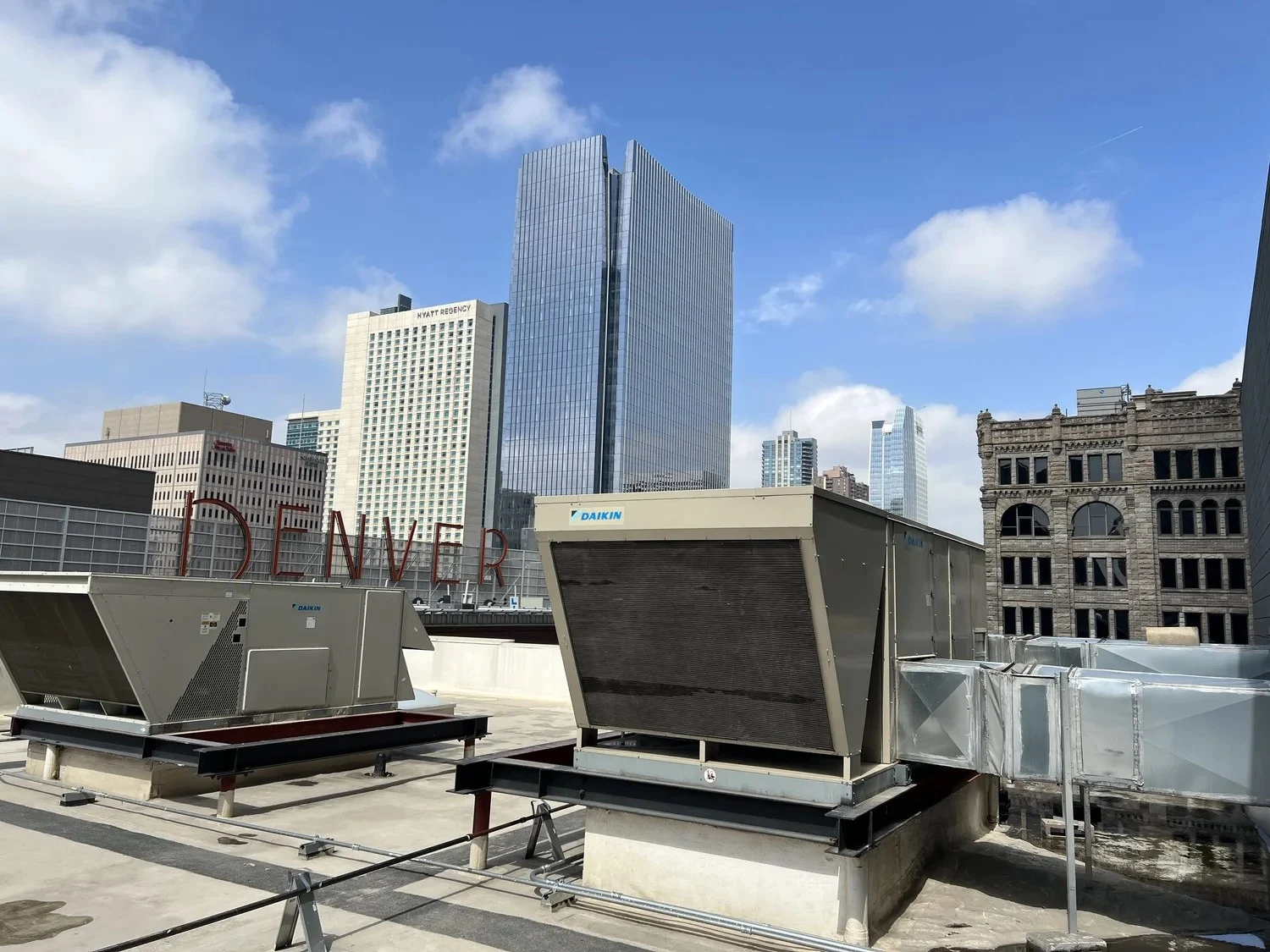
Rooftop HVAC on a big-box store is usually a bank of large package units serving different zones of the sales floor, and each curb gets inspected and re-flashed as part of any reroof so a unit doesn't come loose from a deck that's otherwise brand new.
Skylights and smoke-vent assemblies scattered across a large sales floor roof also need individual attention during a reroof, since each one is a separate penetration with its own flashing detail, and a single missed skylight curb can undo the benefit of an otherwise well-executed membrane replacement.
Coordinating Around Store Hours and Freight Deliveries
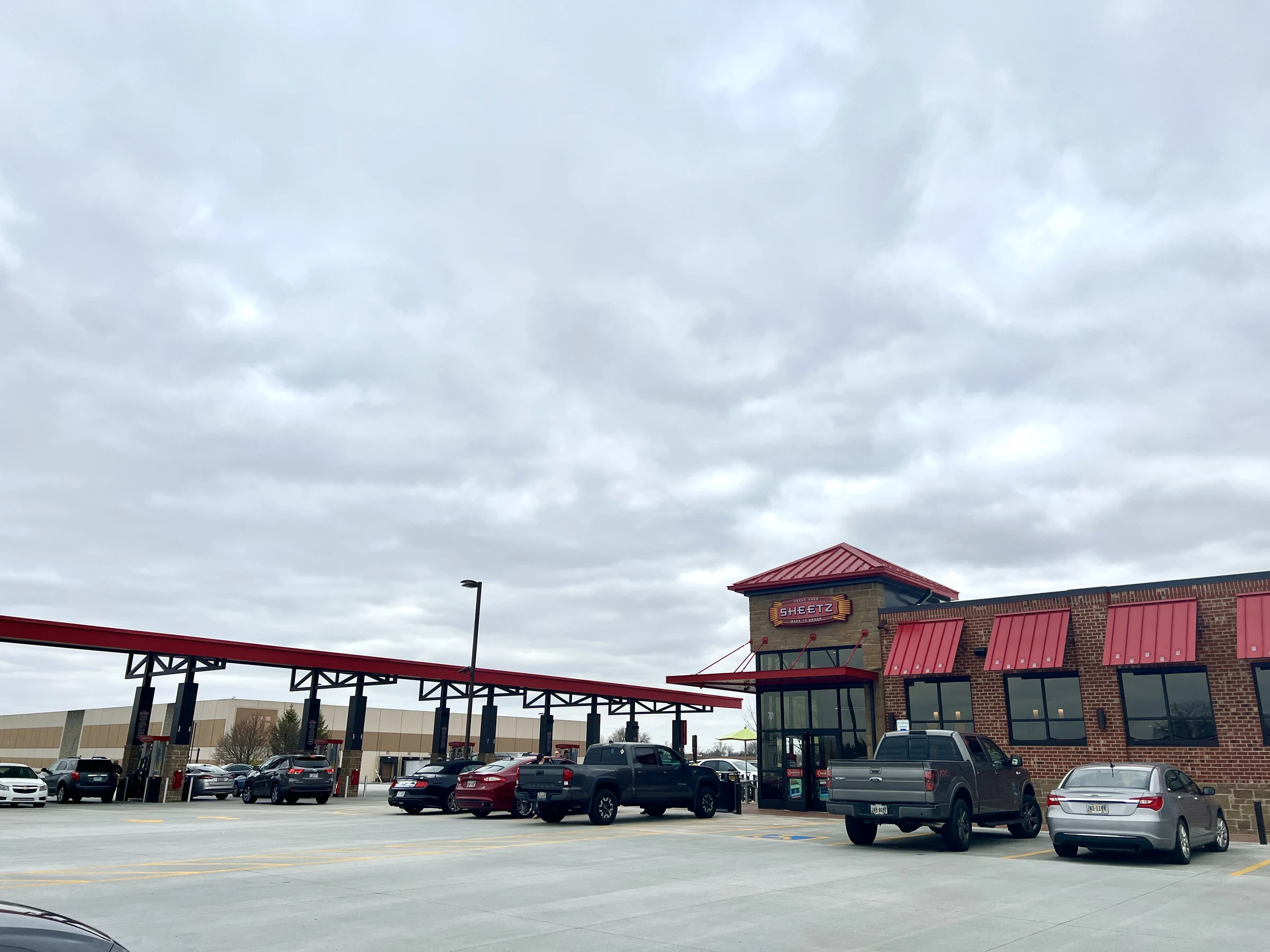
Retail stores this size run receiving docks on a tight schedule, and staging material or a dumpster in the wrong spot can back up freight for a whole shift. We walk the site plan with store management before mobilizing and keep crew staging, hoists, and debris containers clear of loading dock lanes and customer parking near the entrance.
Interior noise and ceiling vibration from tear-off work gets scheduled for early morning before doors open where the store's format allows it, and we section the roof so no more than a portion of the sales floor below is under active work at once.
Seasonal stocking surges around holidays and the peak summer tourist push change freight volume significantly at Grand Strand big-box locations, and we build those known surge periods into the schedule alongside store hours so a heavy delivery week doesn't collide with active roof staging.
What We Verify Before Recommending Full Replacement
- Membrane and seam condition across the full field by section
- Insulation moisture readings from infrared scan, confirmed by core cuts
- Drain and roof-drain leader capacity relative to current stormwater standards
- Rooftop unit curb and duct penetration condition by zone
- Skylight and smoke-vent flashing condition where present
- Deck condition anywhere moisture readings come back elevated
On a roof this large, a partial recover over dry sections combined with targeted tear-off over wet ones is often the most cost-effective path, and we'll say so even when a full reroof would be the bigger contract.
Managing Weather Risk on a Multi-Week Project
A large-format sale event, a seasonal reset, or a corporate visit scheduled during the project window can also change the calculus on which sections get worked first. We ask store management for anything on the calendar that would make a particular week or department off-limits for overhead work before we lock in a section-by-section sequence.
Hurricane season on the Grand Strand runs through the fall, and a big-box reroof scheduled during that window needs a real contingency plan beyond hoping for good weather. We phase tear-off in sections small enough to dry in before an approaching system arrives, and we track the forecast daily once a named storm enters the Atlantic basin.
For stores that need work completed before peak season traffic picks up, we plan backward from that date and adjust crew size rather than leaving the last few sections rushed.
We also keep a stock of temporary dry-in material on site for the duration of a coastal project, so an unplanned overnight system doesn't catch an open section without a way to close it in quickly.
Questions Store Managers and Regional Facilities Teams Ask Us
Can this happen without closing the store?
In nearly every case, yes. We section the roof, work around your hours, and keep debris and staging away from customer and freight traffic.
How do you handle a hurricane threat mid-project?
We only leave sections open that we can fully close in before a system's projected arrival, and we track the forecast closely enough during named-storm season to make that call early.
What's the real timeline for a store this size?
It depends on scope - a targeted recover over sound insulation moves faster than a full tear-off, and we'll give you a section-by-section schedule once the moisture scan and core cuts are back.
Do rooftop units need to come offline during the work?
Only briefly when we're directly re-flashing that specific curb, and we coordinate that downtime with your facilities team so it doesn't land during a peak sales period.
Who handles the paperwork for corporate facilities approval?
We provide the scope, photos, and moisture documentation your regional facilities team typically needs to approve capital spend, formatted the way most retail chains expect it, and we're available to walk a regional manager through the findings directly if that speeds up sign-off.