Holcim Elevate Systems on Grand Strand Commercial Roofs
Holcim Elevate is the rebranded commercial roofing division that was formerly known as Firestone Building Products, and their TPO and EPDM lines remain some of the most established single-ply systems we install on Myrtle Beach buildings. Building owners who remember the Firestone name still ask about it, and it's the same manufacturing operation and product engineering under a new corporate identity.
Elevate's Core Product Lines
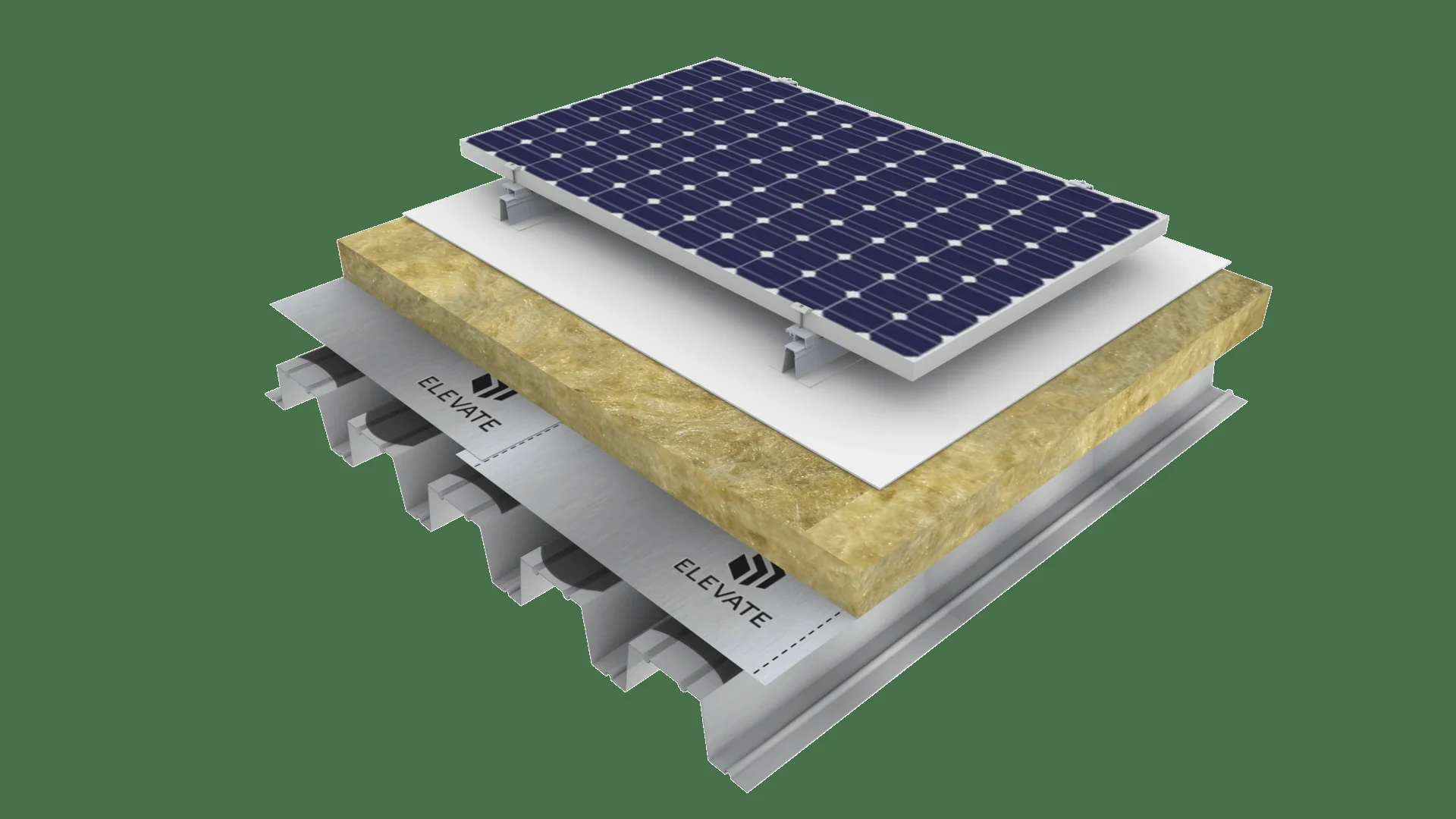
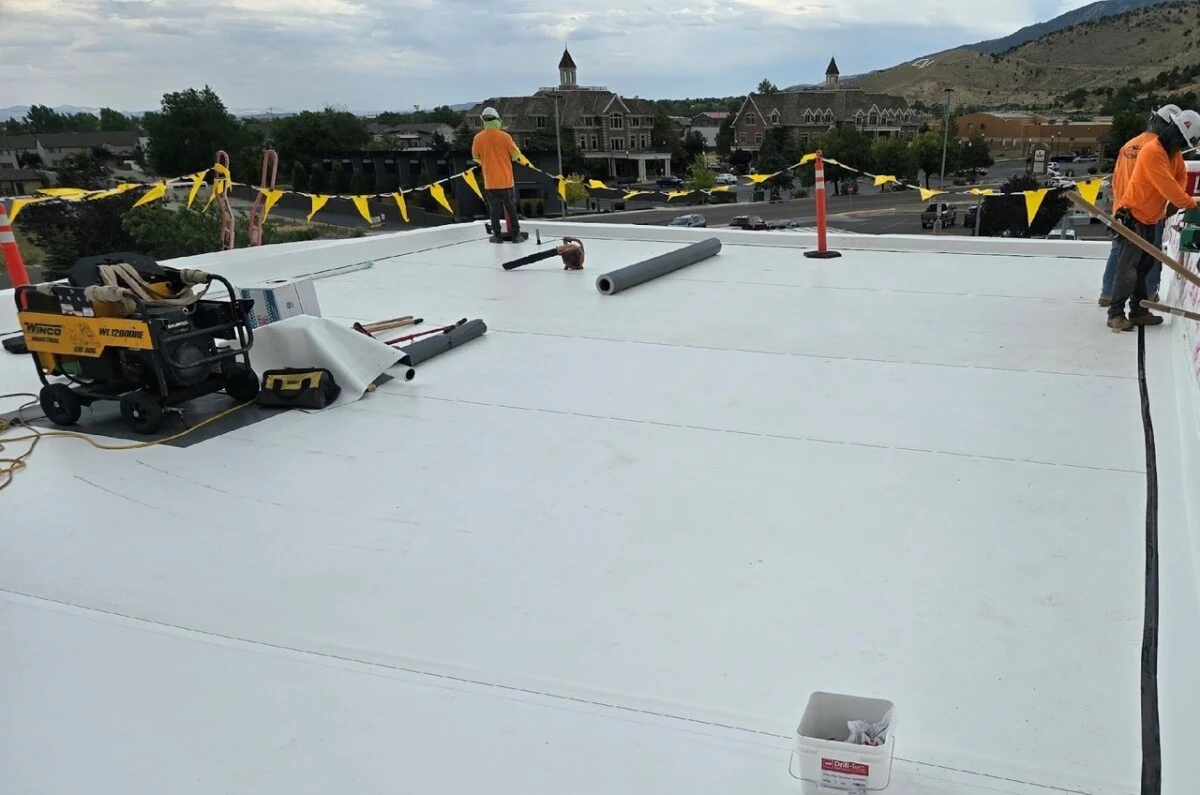
Elevate's TPO membrane, UltraPly, comes in multiple thicknesses with mechanically fastened, fully adhered, and induction-welded attachment options. Their EPDM line, RubberGard, continues the long-running rubber membrane product that a lot of older commercial roofs around the Grand Strand were originally installed with decades ago. Both product lines include matched insulation, cover board, and accessory components engineered to work together as a warrantable system.
For buildings with an existing Firestone RubberGard roof from years back, staying within the Elevate product family for a recover or repair often simplifies compatibility questions compared to switching manufacturers mid-assembly.
Coastal Wind Uplift Documentation
Elevate publishes tested wind uplift ratings and fastening schedules across their attachment methods, and we use that documentation to spec the correct perimeter and corner fastening density for buildings in our high-velocity hurricane wind zone. On hotel and retail roofs closer to the ocean, that enhanced perimeter detail is the difference between a membrane edge that holds through a tropical system and one that peels.
EPDM Legacy Roofs and Recover Options
A number of older commercial buildings around Myrtle Beach still carry original Firestone RubberGard EPDM roofs, and when those roofs reach the point of needing a recover or full replacement, we evaluate whether staying within the Elevate EPDM family or converting to their TPO line makes more sense for that specific building's deck condition and heat load. Older rubber roofs with sound decks sometimes favor staying with EPDM's flexibility; buildings with significant HVAC load often move to reflective TPO instead.
Identifying What's Already on the Roof
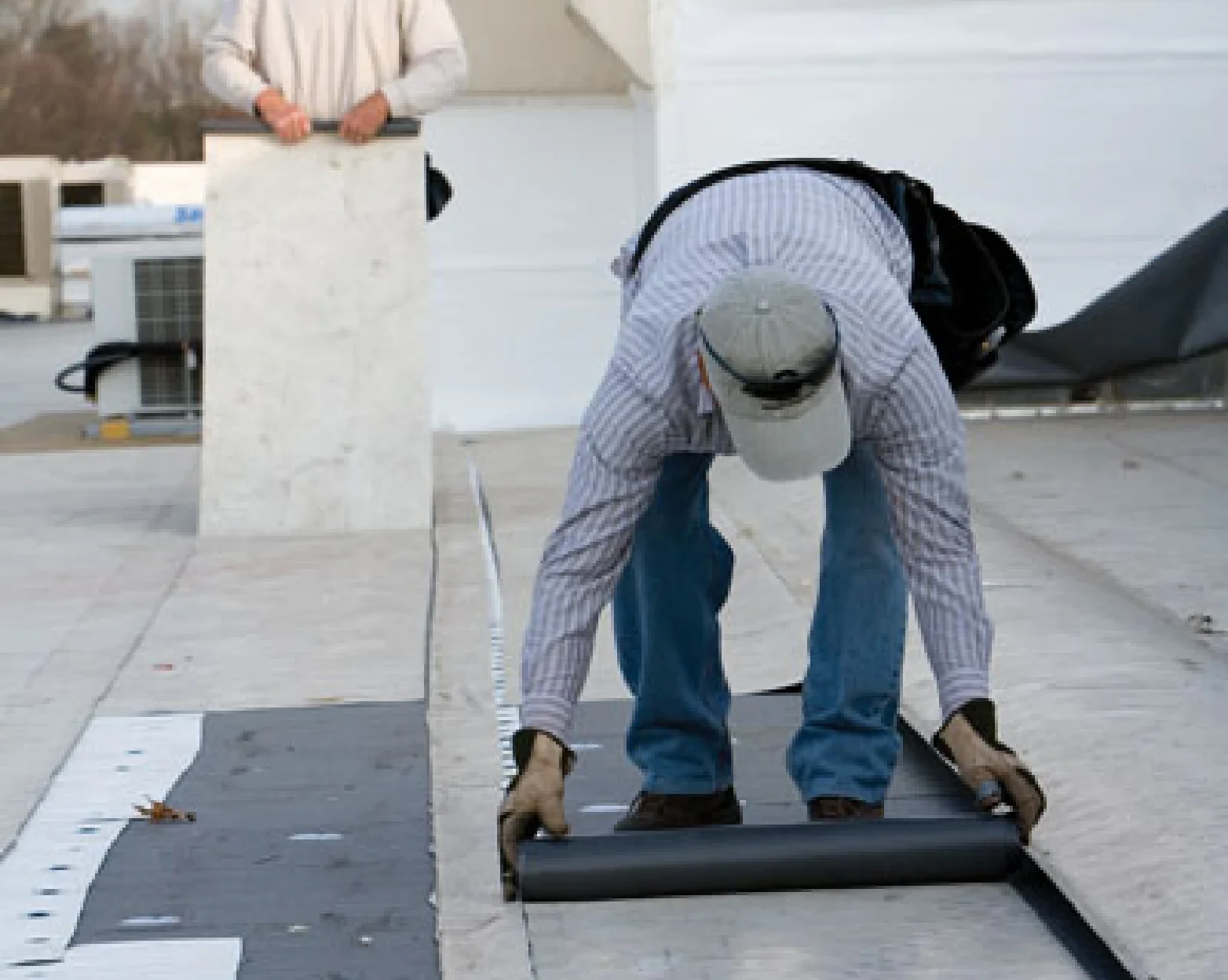
Before recommending anything on a legacy Firestone-branded roof, we confirm what's actually installed rather than assuming the original spec sheet still applies decades later. Older RubberGard installations sometimes carry field modifications, prior repairs using a different manufacturer's patch material, or a recover layer added at some point that isn't documented anywhere the current building owner has access to. We pull back a section of membrane at a low-visibility area during our assessment to verify the assembly before pricing a recover or repair, since guessing at what's underneath an old EPDM roof leads to change orders once the work is underway.
That verification step matters more on buildings that have changed ownership or management companies over the years, where the roofing history didn't necessarily transfer along with the property records.
Recover Versus Full Replacement on Legacy Roofs
Once we know what's actually on the roof, the recover-versus-replace decision comes down to insulation condition, deck condition, and how much service life the existing RubberGard membrane realistically has left. A dry, well-adhered older EPDM roof with sound insulation can sometimes support a new Elevate membrane recovered directly over it, saving the cost and disruption of a full tear-off. A roof with wet insulation or a membrane that's already brittle and cracking doesn't support that approach regardless of how appealing the lower upfront cost of a recover sounds compared to a full tear-off and replacement.
We put that decision in writing with the specific findings behind it, so a building owner comparing quotes understands why one contractor's recover proposal and another's full-replacement quote land at very different price points for the same roof.
- UltraPly TPO in multiple thicknesses and attachment methods
- RubberGard EPDM, the long-running rubber membrane product line
- Matched insulation and cover board accessory system
- Published wind uplift ratings for high-velocity coastal wind zones
- Options for recovering legacy Firestone-branded EPDM roofs
- Reflective TPO colors for reduced rooftop heat load
Salt Air Effects on Elevate Systems
The membrane formulations hold up to salt exposure reasonably well on their own, but the fastener and edge metal components tied into any Elevate system corrode faster along the immediate coastline than a few miles inland. We spec corrosion-resistant hardware on Elevate installations near the water the same way we do with every other manufacturer's system, since the membrane rarely fails first on a coastal roof - the metal does.
Questions About Holcim Elevate Roofing
Is Holcim Elevate the same company as Firestone roofing?
Yes, Holcim Elevate is the rebranded name for the commercial roofing business previously operating as Firestone Building Products, using the same product engineering and manufacturing.
Can an old Firestone RubberGard roof be repaired with current Elevate materials?
In many cases yes, since RubberGard EPDM continues as an active Elevate product line, though we assess the existing roof's condition before recommending repair versus full recover.
Is UltraPly TPO rated for hurricane-force wind?
Elevate publishes tested wind uplift ratings and fastening patterns across a range of wind design categories, and we spec the pattern matched to the specific building's wind zone and height.
Does Elevate offer a reflective EPDM option?
Yes, RubberGard is available in a white reflective formulation in addition to standard black, giving building owners a rubber membrane option with reduced heat gain.
Do Elevate warranties transfer with a recover installation?
Warranty terms depend on the specific installation and system, and we review those terms for the proposed assembly rather than assuming standard new-roof warranty coverage applies to every recover scenario.