
Sika Sarnafil PVC Systems on the Grand Strand
Sika Sarnafil is a PVC-focused commercial roofing manufacturer with a long track record on flat and low-slope roofs, and we look to their product line specifically when a building's exposure calls for PVC's chemical resistance rather than a general-purpose TPO or EPDM system. Restaurant roofs, marina-adjacent buildings, and properties with rooftop mechanical exhaust are the jobs where Sarnafil comes up most.
Sarnafil's PVC Product Line
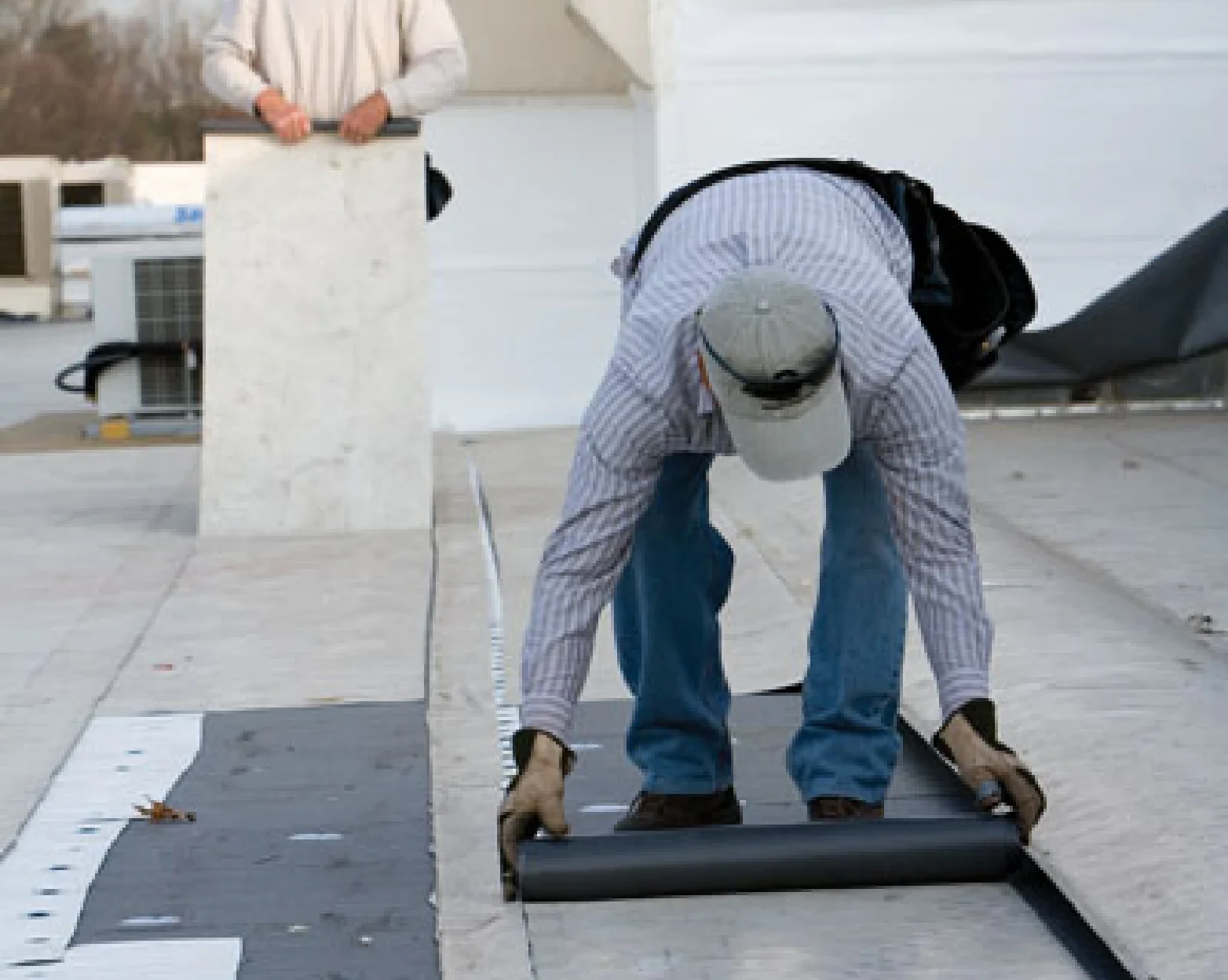
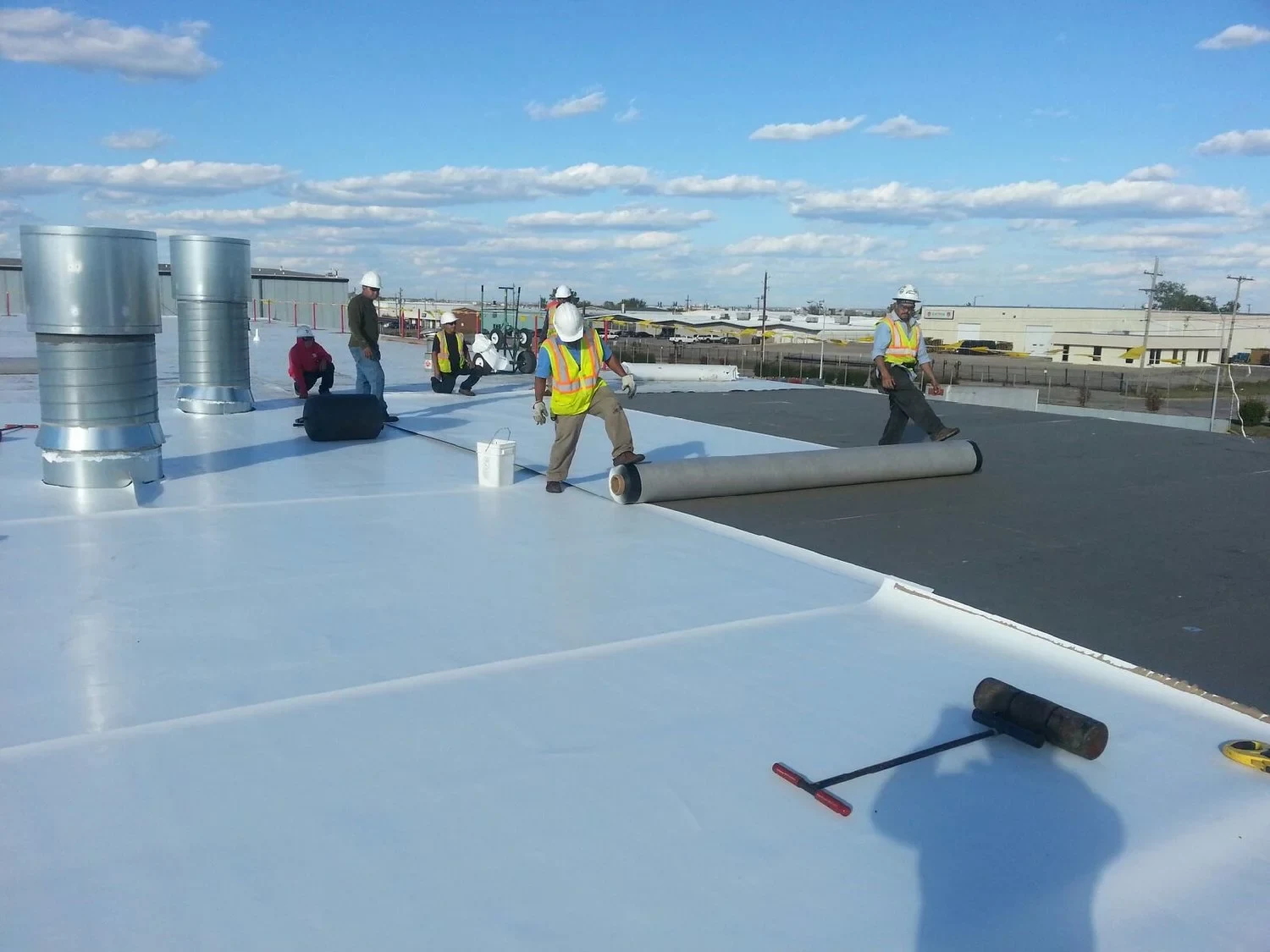
Sarnafil manufactures a PVC single-ply membrane in multiple thicknesses, with reinforced and fleece-backed options depending on the deck and attachment method needed. Their fleece-backed membranes are designed for fully adhered application, giving a strong bond to the substrate that performs well under wind uplift and mechanical stress. Sarnafil's product line has a long history in the PVC category specifically, with decades of installed roofs providing real-world performance data on membrane longevity.
We don't spec PVC as a default membrane. It costs more than TPO for most buildings and the added chemical resistance only matters where the roof is actually exposed to grease, oils, or process contaminants. Where that exposure exists, Sarnafil's PVC line is one of the manufacturers we trust for it.
Chemical and Grease Resistance
PVC's core advantage over TPO is resistance to grease, oils, and a range of chemical exposures, and Sarnafil's formulation performs well on restaurant kitchen roofs along Restaurant Row and the dining corridors near Broadway at the Beach, where kitchen exhaust deposits grease on the roof surface continuously. It also holds up on buildings near the marinas along the Intracoastal Waterway, where fuel and oil exposure is a real factor for any roof near fueling operations.
Wind Uplift and Coastal Fastening
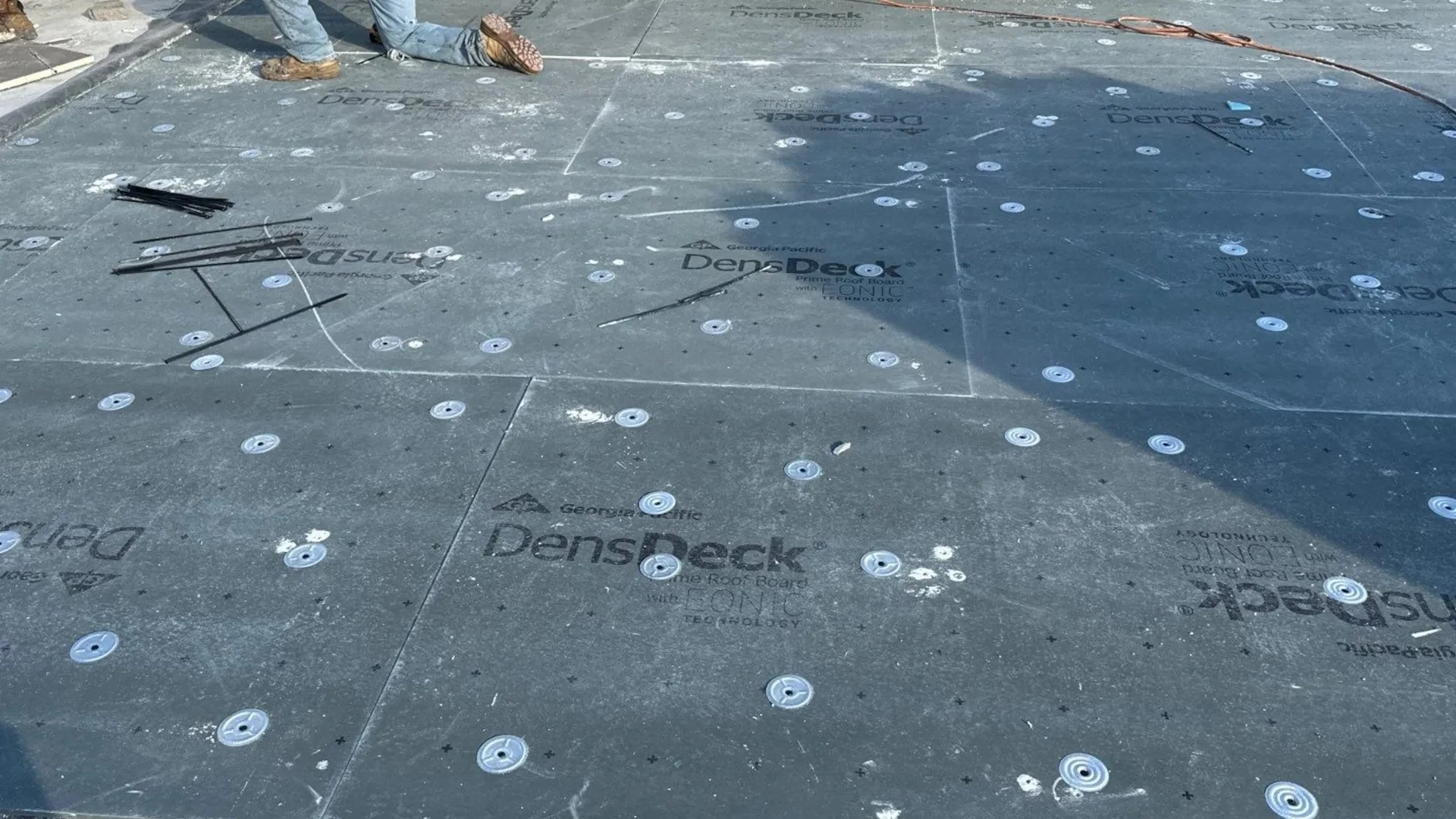
Sarnafil publishes tested wind uplift data across their attachment methods, and we spec their fastening or adhesion pattern to match the wind design pressure for the specific building's height and exposure category. In our coastal high-velocity wind zone, that means enhanced perimeter and corner detailing regardless of which manufacturer's PVC membrane is specified, and Sarnafil's fully adhered fleece-backed systems perform well under that uplift loading given the continuous bond to the substrate.
- PVC single-ply membrane with reinforced and fleece-backed options
- Strong grease, oil, and chemical resistance for kitchen and marina exposure
- Fully adhered fleece-backed systems for continuous substrate bond
- Long-term track record in the PVC membrane category
- Published wind uplift ratings for coastal high-velocity wind zones
- Hot-air welded seams for a monolithic, weld-tested membrane surface
Long-Term Membrane Stability on Coastal Roofs
PVC's plasticizer retention has improved substantially in current formulations compared to older PVC products from decades back, and Sarnafil's product line reflects that improvement. We still watch for early surface stiffening or seam stress during our maintenance visits on any PVC roof, coastal salt exposure and sustained UV included, since catching an early issue is a lot cheaper than a reactive repair after a leak develops.
Sarnafil on Marina and Waterfront Buildings
Buildings along the Intracoastal Waterway and around the marina districts near Little River and Murrells Inlet present a specific set of exposures - fuel and oil vapor from boat operations, direct salt spray off open water, and in some cases rooftop equipment supporting waterfront restaurants or marina offices. Sarnafil's PVC line handles the chemical exposure side of that combination well, and we pair it with corrosion-resistant fastening and edge metal to address the salt spray side of the equation, since the membrane and the metal components face genuinely different failure modes on these buildings.
We treat waterfront properties as a distinct category when scoping a reroof, walking the site for fuel or oil staining patterns and salt spray exposure before finalizing which Sarnafil product configuration fits the specific roof.
Reinforced Versus Fleece-Backed Selection
Choosing between Sarnafil's reinforced and fleece-backed PVC options comes down to the deck and attachment method that fits the building. Reinforced membrane suits mechanically fastened installations on a range of deck types, while fleece-backed membrane is built for fully adhered application and gives extra cushioning against minor deck irregularities on older buildings. We evaluate deck condition during our assessment before recommending one over the other, since the wrong pairing of membrane type and attachment method can shorten the roof's effective service life regardless of how well the membrane itself is manufactured or how carefully the seams are welded during installation.
Questions About Sika Sarnafil Roofing
Why choose Sarnafil PVC over a TPO system?
Primarily for grease, chemical, or fuel exposure that TPO doesn't handle as well. For buildings without that specific exposure, TPO usually costs less for comparable field performance.
Is Sarnafil rated for hurricane-force wind on the coast?
Sarnafil publishes tested wind uplift ratings across their attachment methods, and we spec the fastening or adhesion pattern matched to the specific building's wind design pressure.
Does fleece-backed PVC perform better than standard PVC?
Fleece-backed membranes are designed for fully adhered application with a strong substrate bond, which can be an advantage on roofs with irregular decking or where a fully adhered system fits the wind zone better than mechanical fastening.
How does Sarnafil PVC compare to other PVC manufacturers?
All PVC membranes share similar core chemistry, but formulation, reinforcement, and welding characteristics vary by manufacturer. We spec based on the specific building and available warranty terms.
Does Sarnafil offer a warranty on installed systems?
Yes, warranty terms vary by product line, thickness, and installation type, and we review the specific terms for the assembly being proposed on each project.