
Installing Carlisle SynTec Systems on Grand Strand Roofs
Carlisle SynTec is one of the manufacturers whose systems we install regularly on Myrtle Beach commercial buildings, with product lines that cover TPO, EPDM, and PVC membrane along with the insulation, cover board, and fastening components that go with each. We spec from their published data sheets and wind uplift ratings rather than assuming one membrane line fits every roof on the coast.
What Carlisle Manufactures
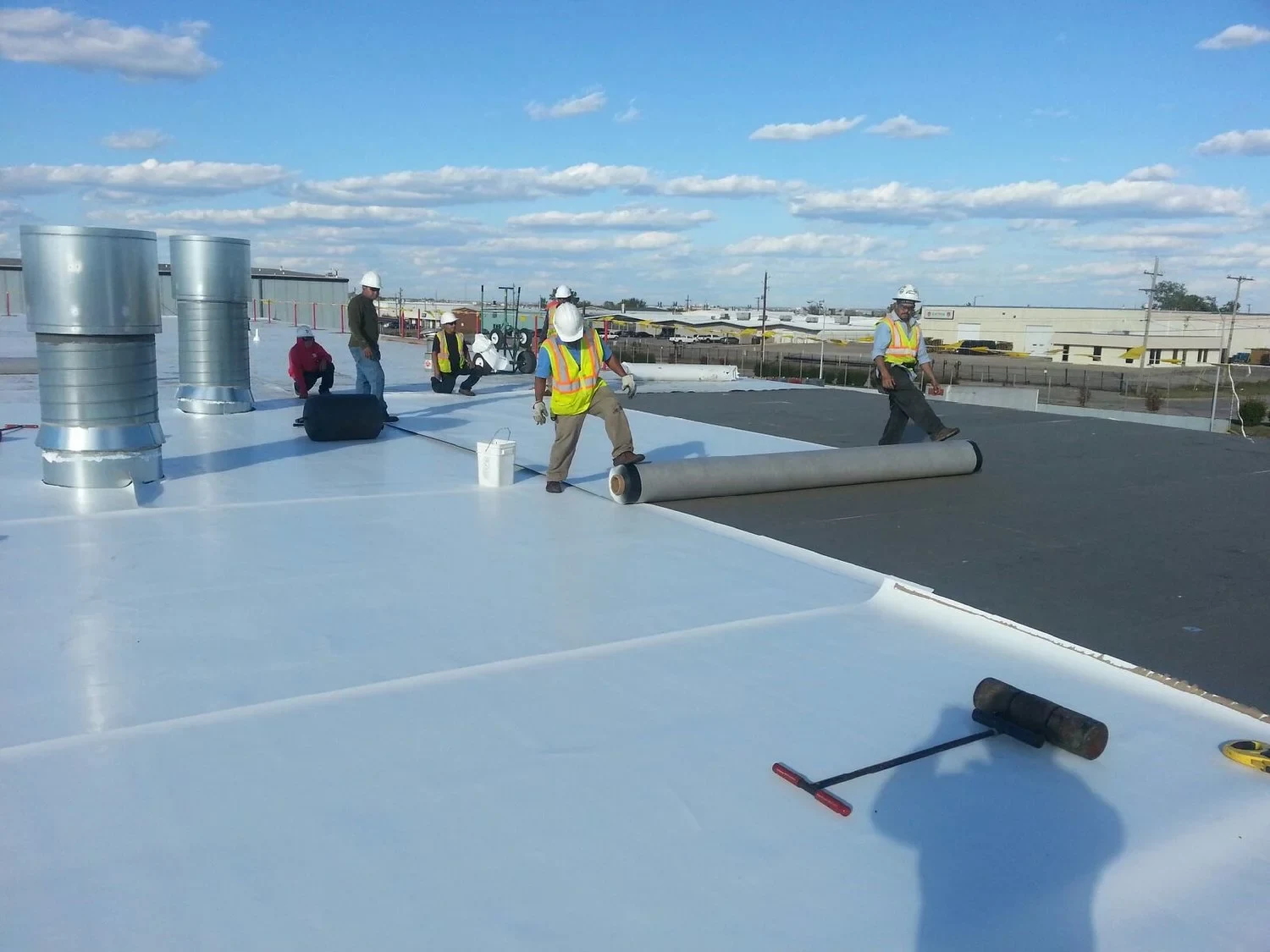
Carlisle's single-ply lineup includes Sure-Weld TPO, Sure-Seal EPDM, and a Sure-Flex PVC line, each available in multiple thicknesses and in mechanically fastened, fully adhered, or induction-welded attachment methods. The company also manufactures the polyiso insulation, cover board, and edge and fastening accessories used alongside the membrane, which keeps assembly components matched and warrantable as a system rather than a mix of unrelated parts.
We don't lock into one manufacturer's full ecosystem for every job just because it's convenient. Membrane selection starts with the building's exposure - wind zone, coastal salt fog, roof geometry - and Carlisle's product range happens to cover most of what those requirements call for on Grand Strand buildings.
Where Carlisle Shows Up on Coastal Jobs
Carlisle TPO and EPDM turn up on a range of properties we service - hotel roofs near the boardwalk, retail strips off Highway 501, and multifamily buildings inland of the immediate coastline. Their published wind uplift ratings give us documented, tested fastening patterns for the specific wind zone a building sits in, which matters when a project goes through permit review or insurance underwriting after a reroof.
For buildings closer to the water where salt exposure is heaviest, we look at Carlisle's corrosion-resistant fastener and edge metal options, since standard hardware doesn't hold up as long a mile from the Atlantic as it does further inland.
Coastal Wind Uplift Ratings
A meaningful share of the hospitality and retail work we do along the coast involves higher wind design pressures than inland buildings see, and Carlisle publishes tested fastening patterns rated for those higher uplift categories. We use those documented patterns rather than a generic spacing pulled from a lower wind zone, particularly at the perimeter and corner zones where uplift failure actually starts on a roof.
Insulation and Assembly Compatibility
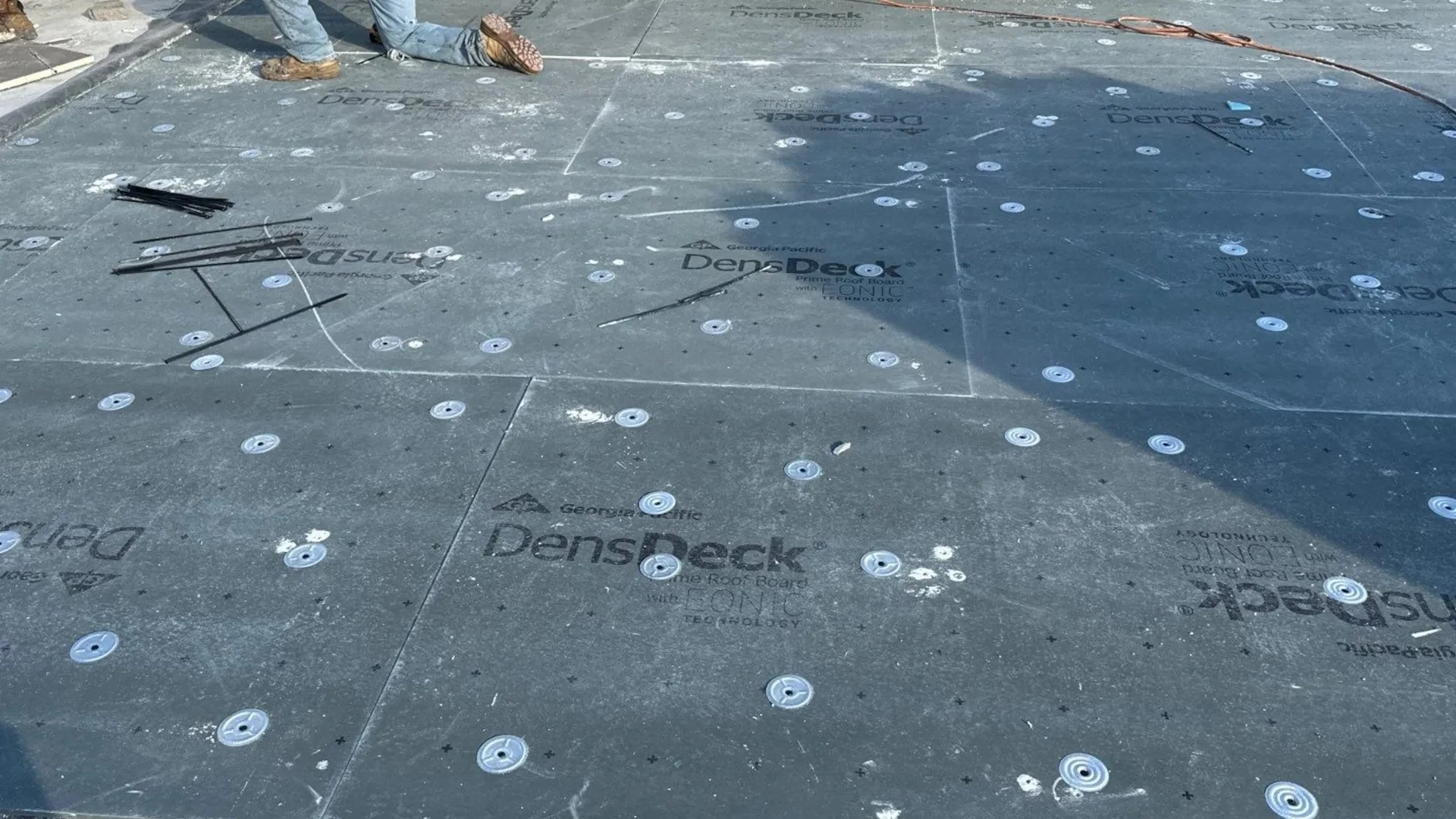
One advantage of specifying a full Carlisle system rather than mixing manufacturers is component compatibility across the assembly. Carlisle's polyiso insulation, cover board, and membrane are engineered and tested as a unit, which matters when we're documenting an assembly for insurance purposes after a coastal reroof. A mismatched assembly using components from different manufacturers can still perform fine on the roof, but it complicates warranty coverage and sometimes the wind uplift documentation an insurer wants to see, since tested ratings are usually specific to a matched system rather than an arbitrary combination of parts.
On hotel and retail properties where we're managing both the reroof and the ongoing insurance relationship for the building owner, staying within a single manufacturer's tested assembly simplifies that documentation considerably. It's not the only valid approach, but it's the one we default to when a client doesn't have a strong reason to mix manufacturers.
- Sure-Weld TPO, Sure-Seal EPDM, and Sure-Flex PVC single-ply product lines
- Matched polyiso insulation and cover board accessory system
- Published wind uplift ratings for coastal high-velocity wind zones
- Corrosion-resistant fastener and edge metal options for salt exposure
- Mechanically fastened, fully adhered, and induction-welded attachment methods
- Available in reflective white for reduced rooftop heat load
Warranty Terms and What They Cover
Carlisle offers manufacturer warranties on their systems that vary by term length and coverage depending on the specific assembly and installation. We walk clients through what a given warranty actually covers - membrane defects versus workmanship versus wind speed thresholds - rather than treating the warranty length alone as the deciding factor in a membrane choice.
Wind speed coverage thresholds within a Carlisle warranty matter more in this market than in most inland regions, since a warranty rated for a lower wind speed than the building's actual design pressure can leave a gap in coverage precisely when a coastal storm puts the roof under real stress. We check that the warranty's wind coverage matches or exceeds the building's wind design pressure before finalizing a proposal, not after the roof is already installed.
Questions About Carlisle SynTec Roofing
Does Carlisle make roofing rated for hurricane-force wind?
Carlisle publishes tested wind uplift ratings and fastening patterns for a range of wind design categories, including the higher pressures typical of coastal buildings in this area. We spec the pattern matched to the specific building's wind zone.
Is Carlisle TPO or EPDM better for a Grand Strand hotel roof?
It depends on the building's deck condition, rooftop traffic, and budget. Both are viable Carlisle product lines; we make the recommendation based on the specific roof, not a default preference.
Does Carlisle offer corrosion-resistant hardware for coastal jobs?
Yes, Carlisle's accessory line includes fastener and edge metal options suited to more aggressive exposure environments, which we spec on buildings close to the ocean.
How long is a typical Carlisle roofing warranty?
Warranty terms vary by product line, installation type, and assembly, so we review the specific warranty terms for the system being proposed rather than quoting a blanket figure.
Do you install Carlisle systems exclusively?
No, we work with several manufacturers and spec whichever product line fits the building's exposure, budget, and warranty needs best.