
Commercial Roofers in Garden City
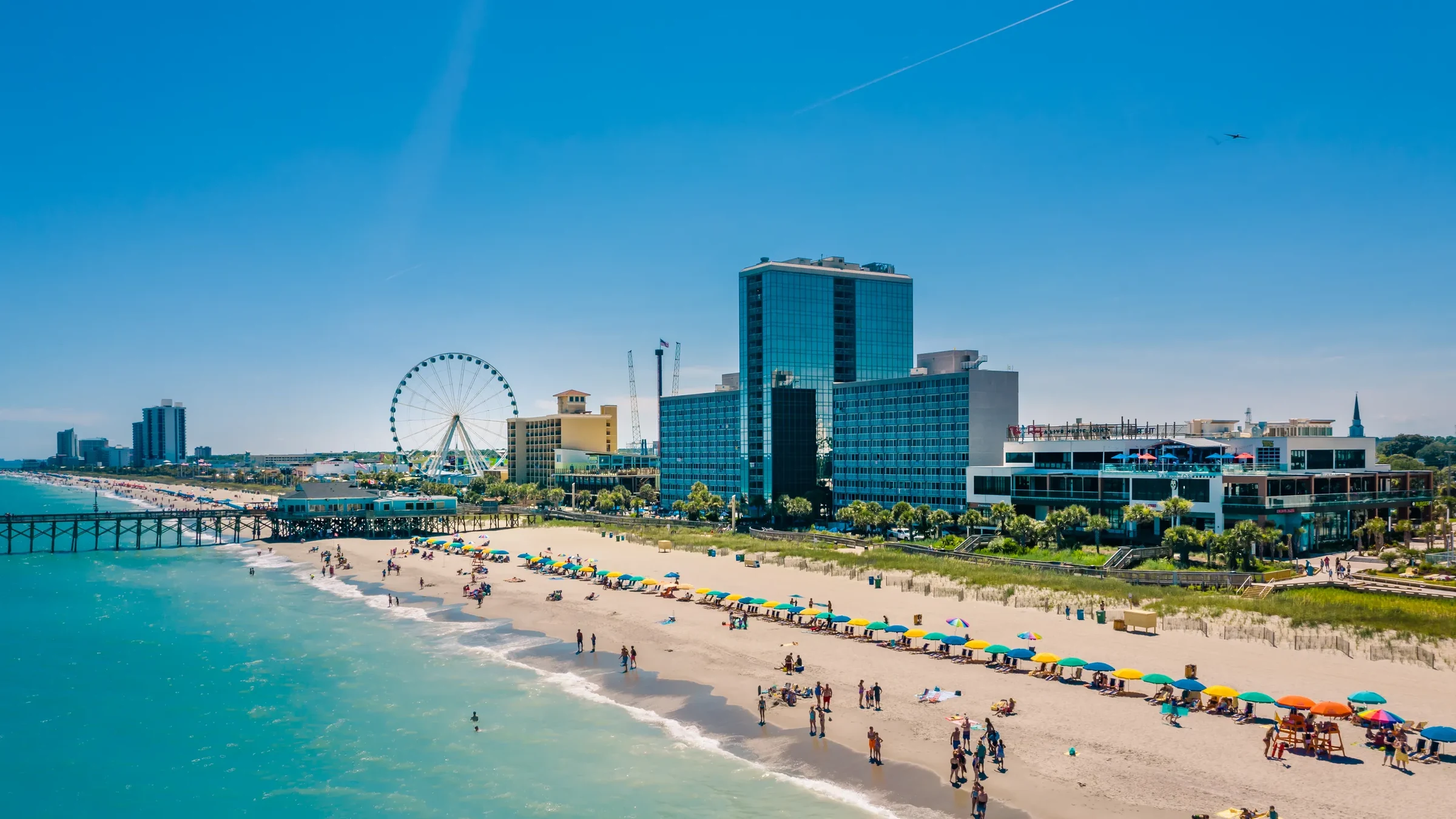
A practical commercial roofing plan for Garden City properties separates urgent leak control from repair, coating, maintenance, and replacement decisions supported by photos and condition findings. Garden City sits in the unincorporated stretch of coast between Surfside Beach and Murrells Inlet, straddling the Horry and Georgetown county line, and its commercial roof stock is almost entirely tied to beach tourism, motels, condo buildings with ground-floor commercial space, and the retail and restaurant strip that clusters around Garden City Pier.
Oceanfront Motel and Condo Roofs
Garden City's lodging buildings sit as close to the water as almost anywhere on the Grand Strand, which puts them at the top end of both wind and salt exposure we see across our service area. Roof decks here take direct salt spray during storms and steady salt air the rest of the year, and we've found corrosion on fasteners and HVAC curbs at rates that would be unusual even a mile or two inland. Any repair plan for a beachfront property has to account for that accelerated wear timeline rather than assuming a standard service life.
Many of these buildings mix residential condo units with ground-floor retail or rental office space, which means a roof project has to account for both the building's condo association governance and the retail tenants' operating needs, two different sets of stakeholders that don't always agree on timing or priority.
Getting a repair or replacement approved through a condo association board can take longer than the actual roof work, so we build our proposals to match how those boards operate, clear cost breakdowns, realistic timelines, and documentation that a board can present to unit owners without needing us in the room to explain it.
Garden City Pier and the Beach Retail Strip
The shops, arcades, and restaurants clustered around the Garden City Pier see the heaviest seasonal foot traffic in town, and roof issues on these buildings get noticed fast, both by tenants losing sellable floor space to a leak and by the steady stream of beachgoers walking past a visibly deteriorating storefront. We treat pier-area buildings as priority calls during peak season for that reason, since a delayed response here costs more in lost business than the same delay would somewhere quieter.
Direct Oceanfront Wind Exposure
Garden City's position right on the open Atlantic means its buildings sit in the highest wind exposure category on this part of the coast. Perimeter and corner zone fastening on these roofs needs to meet the full wind-borne debris region standard, and we don't cut corners on fastener spacing just because a building is smaller or a repair is meant to be short-term. A poorly fastened perimeter is exactly where we see roof edges fail first when a named storm actually makes landfall nearby, which is why we check that detail first on every oceanfront inspection rather than treating it as an afterthought once the field membrane looks fine.
- Accelerated salt-spray corrosion checks on direct oceanfront properties
- Condo association and ground-floor tenant coordination on mixed-use buildings
- Priority response scheduling for pier-area retail during peak season
- Full wind-borne debris region fastening compliance on perimeter zones
- Pre-storm drain and scupper clearing ahead of named storm landfall
- Post-storm damage documentation for beachfront commercial properties
Working Across a County Line
Garden City's position straddling Horry and Georgetown counties means permitting and inspection requirements can differ depending on which side of the line a specific building sits on. We confirm jurisdiction before pulling any permit, since assuming the wrong county's requirements apply is a fast way to delay a project that otherwise didn't need to slow down.
That split jurisdiction also means Garden City doesn't always get the same level of attention from contractors based further up the Strand, who default to Horry County processes without checking. We treat Garden City as its own market with its own requirements rather than an extension of Surfside or Murrells Inlet.
Storm Response for a High-Exposure Beach Community
Given Garden City's direct oceanfront exposure, our pre-storm checklist here is more aggressive than what we'd run in a less exposed part of the Strand: securing loose flashing, clearing every drain and scupper, and photographing existing conditions before a named storm arrives so any post-storm damage claim has a clean baseline. After landfall, we prioritize occupied lodging buildings first, since water intrusion into a booked motel room causes damage and lost revenue faster than the same leak over an empty storage space.
Garden City Roofing Questions
Why does Garden City see more corrosion than properties further inland?
Direct oceanfront exposure means more salt spray during storms and more salt air year-round, which accelerates corrosion on fasteners and rooftop equipment compared to buildings set back from the water.
How do you coordinate roof work on a condo building with ground-floor retail?
We work with both the condo association and the retail tenants to align on scheduling and access, since each group has different priorities and operating hours to protect.
Does it matter which county a Garden City building sits in?
Yes, permitting requirements can differ between Horry and Georgetown counties. We confirm jurisdiction before pulling permits so the project isn't delayed by a wrong assumption.
What should pier-area retail owners do before hurricane season?
Have drains and scuppers cleared, loose flashing secured, and existing roof conditions photographed for documentation before the first named storm threatens landfall.
Which buildings get priority after a storm passes?
Occupied lodging properties first, since water intrusion into a booked room causes faster damage and revenue loss than the same issue over an unoccupied space.