
Reading an Old Gravel Roof Before We Decide Its Fate
A fair number of the older motel and hotel additions along Ocean Boulevard still carry a tar-and-gravel built-up roof from an earlier era of construction. Before we recommend anything, we find out what's actually happening underneath the gravel.
The Motel Row Legacy: Why So Many BUR Roofs Are Still Up There
A lot of the smaller independent motels and older hotel sections between the main resort corridor and Highway 17 Business went up decades before TPO and PVC became standard, and built-up roofing was simply what got installed at the time. Some of those roofs have been recoated or patched repeatedly since, and separating a roof that's still sound from one that's just been maintained past its useful life takes more than a look from the parking lot.
We treat every BUR inspection as its own case. Two motels built the same year can have very different roof conditions depending on how many recoat cycles they've been through and whether ponding water has been quietly working on the membrane the whole time.
What a Moisture Survey Tells Us Before We Touch Gravel
Gravel hides a lot. We can't tell from the surface whether the insulation underneath a built-up roof is dry, saturated, or somewhere in between, so we run a moisture survey -- typically infrared scanning or core sampling -- before recommending recover, coating, or tear-off. Wet insulation under a recover just traps the moisture and accelerates deck deterioration, so this step isn't optional on an older BUR roof.
Core samples also tell us how many roof layers are already stacked on the deck. Code limits how many layers a roof can carry, and a lot of these older buildings have been recovered more than once already, which sometimes forces a tear-off decision regardless of what the moisture survey shows.
Ponding Water: The Number One Reason BUR Roofs Fail Here
Built-up roofs rely on consistent slope to drain, and decades of foot traffic, deck settling, and patch repairs tend to create low spots that never drain fully. Combine that with Myrtle Beach's sudden, heavy summer downpours and a ponding area on an old BUR roof can sit wet for days at a time, which breaks down the asphalt and any gravel-embedded coating far faster than a roof that drains cleanly.
- Independent motels along Ocean Boulevard and 17 Business
- Older hotel additions built in stages over decades
- Multi-tenant buildings with multiple stacked roof layers
- Low-slope sections behind newer construction
- Buildings flagged for lender roof certification
- Properties with a documented leak or ponding history
Tear-Off vs Recover on an Aging BUR Deck
If the moisture survey comes back dry and the roof hasn't already hit its layer limit, a recover -- new membrane installed over the existing built-up system -- is often the lower-cost, lower-disruption path. If insulation is saturated or the deck itself shows soft spots, we recommend a full tear-off, because building over a compromised deck just sets up a bigger problem down the line.
Cost is rarely the only factor owners weigh here. A tear-off on an occupied motel means more disruption to guests and a longer project timeline, so we lay out both the near-term and long-term numbers before ownership decides.
Coordinating Tear-Off Around Guests and Tenants
A full tear-off on an occupied hotel or motel roof means staging debris removal, managing noise during operating hours, and keeping the building weather-tight at the end of every work day -- daily dry-in isn't optional when a summer storm can roll through with almost no warning. We build the schedule around guest turnover and, where possible, target the shoulder season when occupancy is lower and the margin for a weather delay is wider.
What Replaces a Torn-Off BUR Roof Here
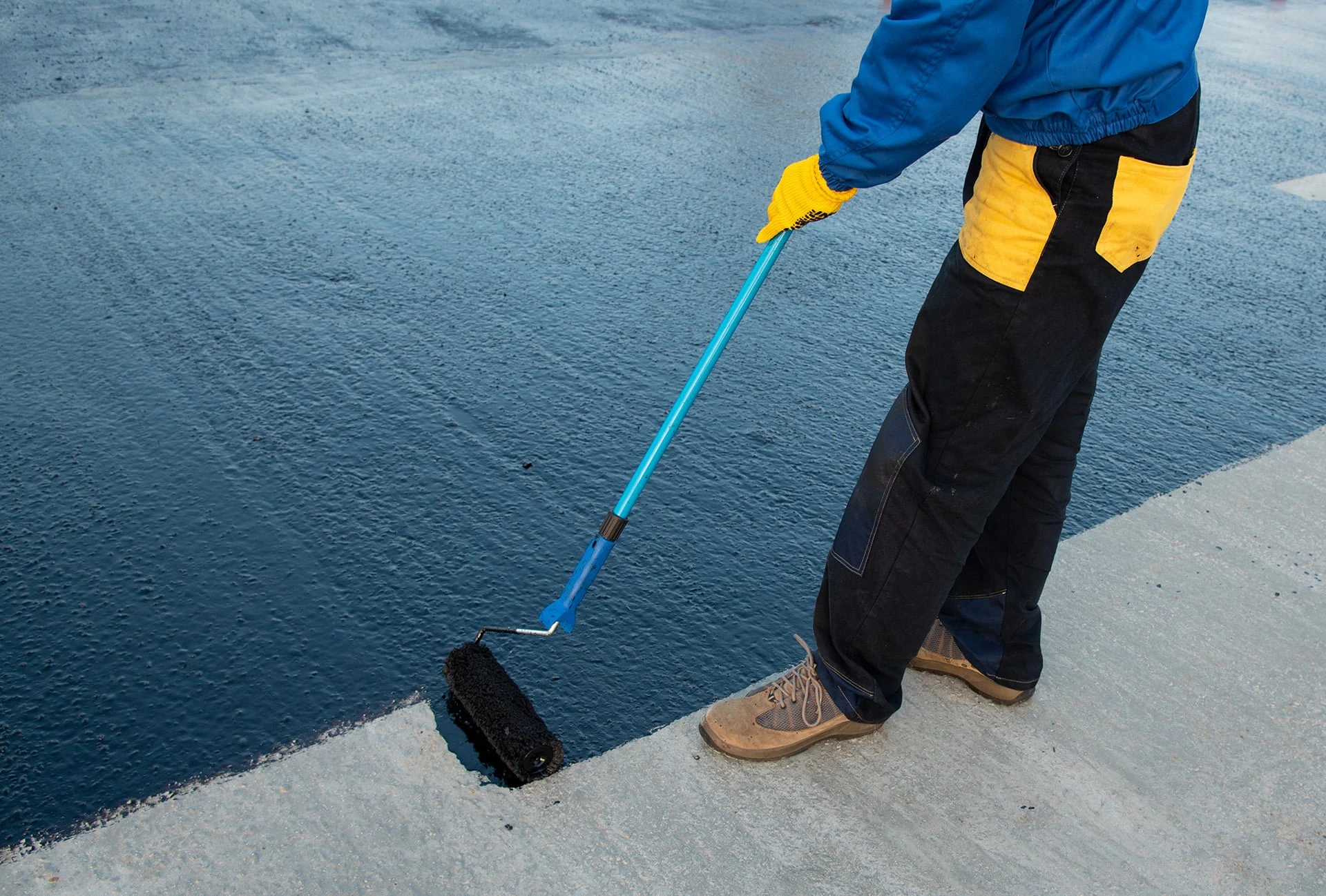
Once an old built-up roof comes off, we're almost always specifying a single-ply membrane -- TPO on most buildings, PVC where kitchen exhaust or chemical exposure is a factor. Neither carries the maintenance burden of periodic recoating that a built-up roof needs, and both give a cleaner, lighter roof assembly for a deck that may already be carrying decades of accumulated gravel and old asphalt.
We size the new insulation package during this transition too, since a lot of these older buildings were built to an insulation standard well below what current energy codes call for. Bringing the R-value up during a tear-off is usually the most cost-effective time to do it.
What Owners Want to Know About Old BUR Roofs
How do you know if a BUR roof still has life left in it?
A moisture survey and core samples tell us the real story -- dry insulation and sound decking mean a recover is likely viable, while saturation or deck damage usually means it's time for a tear-off.
Can you recover a BUR roof that's already been recovered before?
Sometimes, but code limits the number of roof layers a building can carry. We check the layer count during the core sample process before recommending another recover.
Is ponding water always a sign of a failing roof?
Not always, but it accelerates whatever problems already exist. We treat any consistent ponding area as something to correct, whether through tapered insulation, added drains, or a full replacement.
Do you tear off roofs on occupied motels during summer?
We avoid it when we can and push major tear-offs to the shoulder season. Emergency situations sometimes force our hand, and in those cases we prioritize keeping the building weather-tight every night.
What replaces a built-up roof once it's torn off?
Usually TPO or PVC for a low-slope roof this close to the coast, chosen based on the building's exposure and whether kitchen exhaust or other chemical exposure is a factor.